
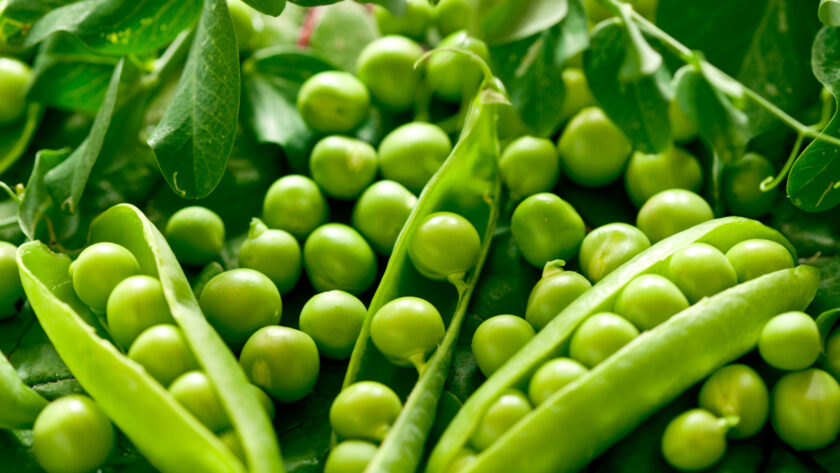

Peas are very easy to grow but their growing period is limited to cool weather. Plus, peas do not stay fresh long after harvest, so enjoy their taste as soon as you can!
The only real trick to growing peas is planting them in early spring before the heat of summer hits and providing them with plenty of water.
Pea Plant Care
The traditional advice is to plant peas on St. Patrick’s Day. Peas don’t like very cold, waterlogged soil, so a good rule of thumb is to try and plant your peas directly in your garden about four weeks before your last frost date.
Pea plants can tolerate a variety of sunlight conditions, including partial shade. However, for the best chance at a bountiful harvest, aim to plant your peas in a spot that gets at least six to eight hours a day.
Soil
For best results, plant your peas in a well-draining, loamy soil blend that is rich in organic matter or compost. Once the vines are about a foot tall, mulch them heavily with straw to keep the soil as cool as possible and help retain moisture.
Water
Proper watering is one of the most important factors of a successful pea crop. Your pea plant should be watered deeply and regularly, especially as it’s first getting established in your garden. A good rule of thumb is to water your pea plants deeply once a week, though you may have to increase that cadence if your plants are subjected to especially warm water. Never allow your pea plant’s soil to dry out—doing so can negatively impact your crop almost instantly.
Temperature and Humidity
Peas are a cool-weather crop and will do best in a mild environment that ranges from 65 degrees Fahrenheit to 70 degrees Fahrenheit. If you’re starting your peas outdoors in your garden (as many gardeners do), you want the soil temperature to be consistently about 45 degrees Fahrenheit, which will also the seeds to germinate properly. Once the weather gets consistently hot, your pea plant vines will likely stop producing. Additionally, peas have no special humidity requirements.
Fertilizer
Pea plants do not need fertilizer applications in order to thrive, especially if they are planted in nutrient-rich soil with lots of compost and organic matter. If you want to give your plants an extra boost, feed them when the seedlings first emerge with a balanced liquid fertilizer.
Pea Plant Varieties
When many people think of peas, they think of shelling peas but there are actually many different types of peas.
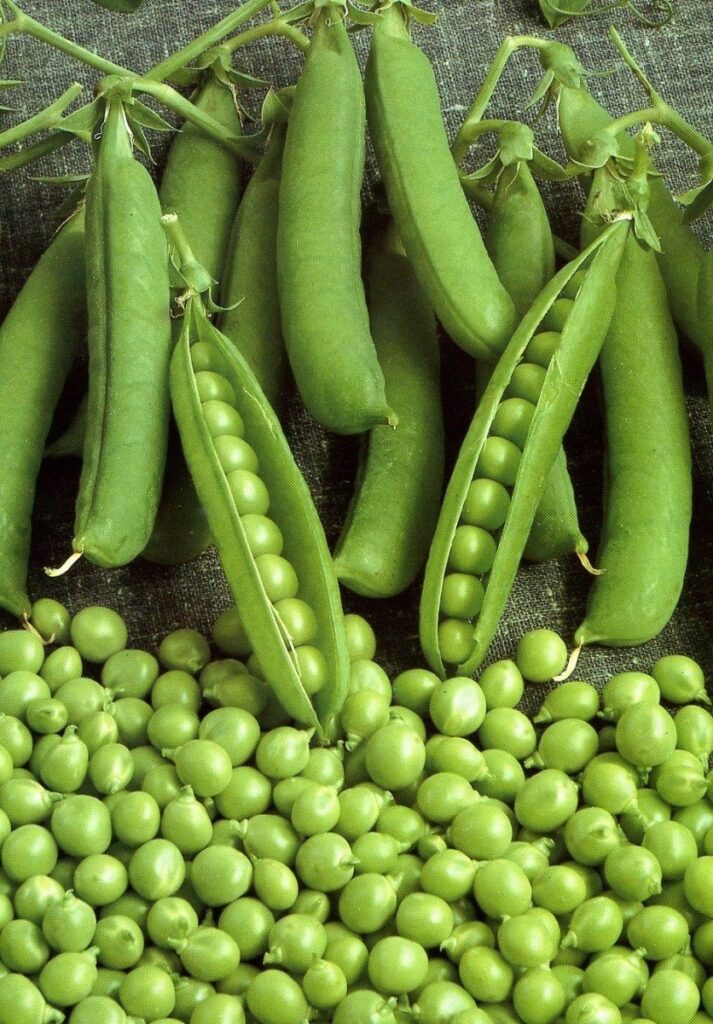
- Shelling Peas: Sometimes also called “English peas,” shelling peas are grown to harvest the tiny round peas inside the pods. They are ready to pick when the pods are plump and begin to develop a waxy-looking sheen.
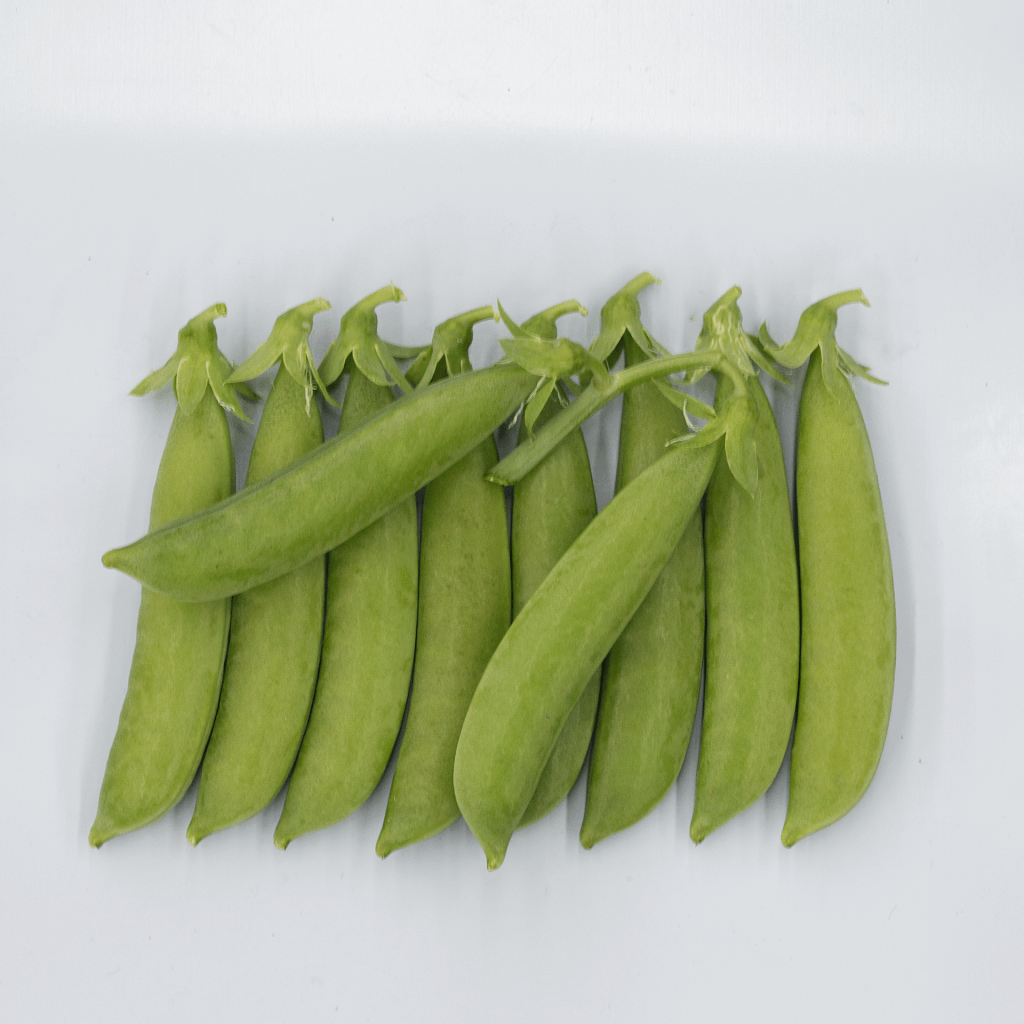
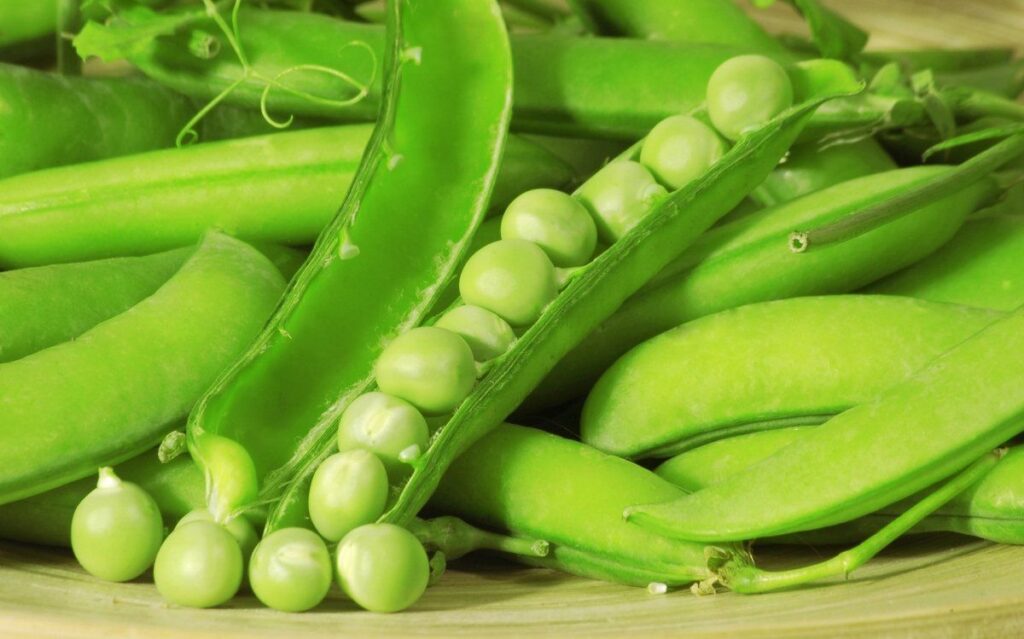
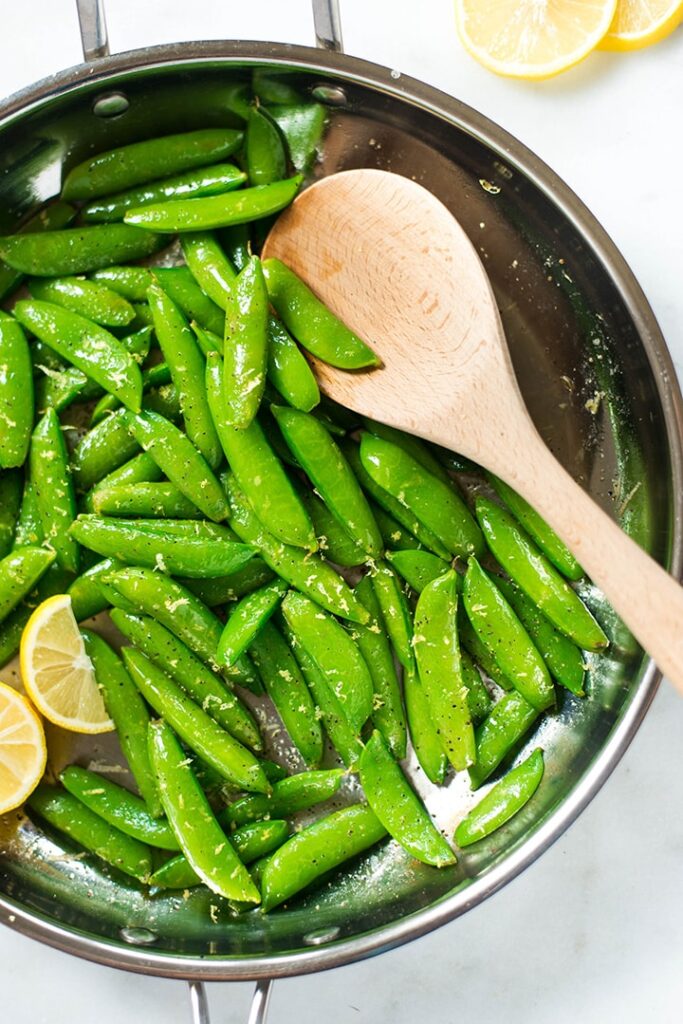
- Snap Peas: Snap peas have edible pods, and are ready to harvest when the pod is starting to plump up. They are delicious in soups, stews, or fresh as a snack.
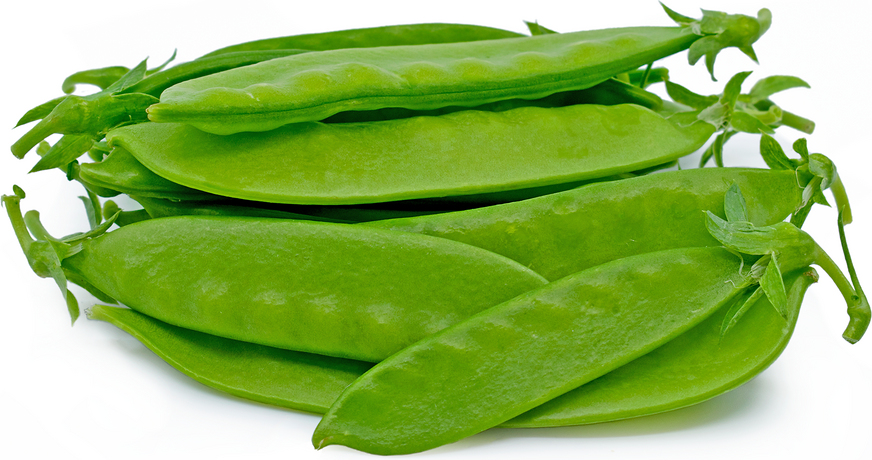
- Snow Peas: Tender snow pea pods are mature when they are around 3 inches long and the peas inside are just starting to plump up.
- Soup Peas: These peas, also known as “split peas,” are left to dry on the vine. They’re ready to harvest and store in airtight containers once the pod has dried to a tan color.
Peas store best if you get them cooled off quickly. Dunk them in cold water right after harvesting and then store in the refrigerator. Peas can be stored longer by freezing or canning.
Great ?I should definitely pronounce, impressed with your web site. I had no trouble navigating through all the tabs as well as related information ended up being truly simple to do to access. I recently found what I hoped for before you know it at all. Quite unusual. Is likely to appreciate it for those who add forums or something, website theme . a tones way for your client to communicate. Nice task..
I have discovered some considerations through your site post. One other subject I would like to say is that there are plenty of games out there designed mainly for preschool age small children. They contain pattern acknowledgement, colors, wildlife, and styles. These typically focus on familiarization in lieu of memorization. This makes a child engaged without having the experience like they are learning. Thanks
This is really interesting, You’re a very skilled blogger. I’ve joined your rss feed and look forward to seeking more of your magnificent post. Also, I have shared your site in my social networks!