
A naturally occurring compound called anthocyanin is responsible for the purple pigmentation of many plants.
Anthocyanins are a type of flavonoid, and flavonoids are antioxidants.
Purple foods, particularly purple fruits and vegetables, are sought after by health-conscious consumers and those in the know, as the vibrant colour indicates a naturally high presence of health-enhancing antioxidants.
Whether via clinical trials, in vivo or in vitro, the research results show this purple packs a punch. It turns out these purple-pigment-making compounds come with a slew of health benefits.
- Improved vision
- Lower blood pressure
- Diabetes prevention
- Inhibited tumor growth
- Anti-inflammatory
- Anti-bacterial
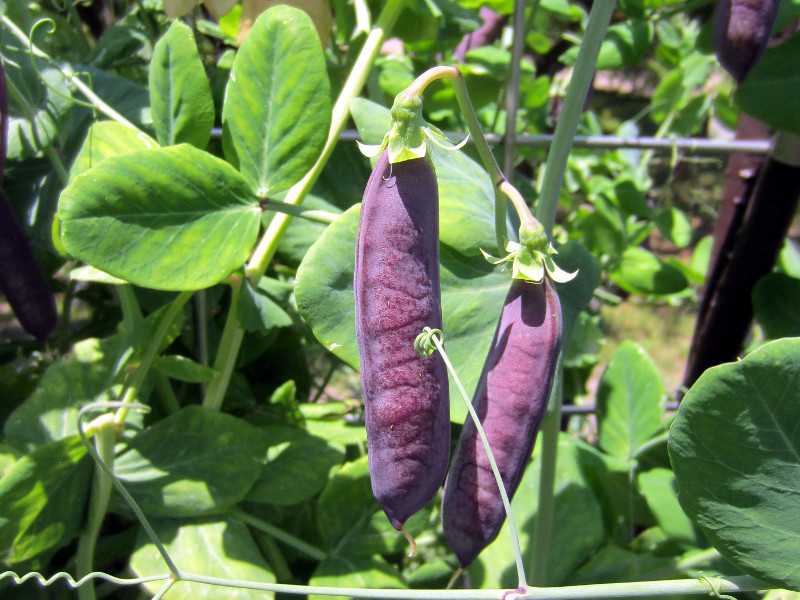
King Tut Purple Pea
This heirloom pea has stunning purple pods. Eat them when they’re young and tender for an excellent snow pea. Or harvest them when they’ve reached maturity for a great shelling pea. Purple Sugar Snap peas are a source of iron, and vitamin A, and vitamin C.
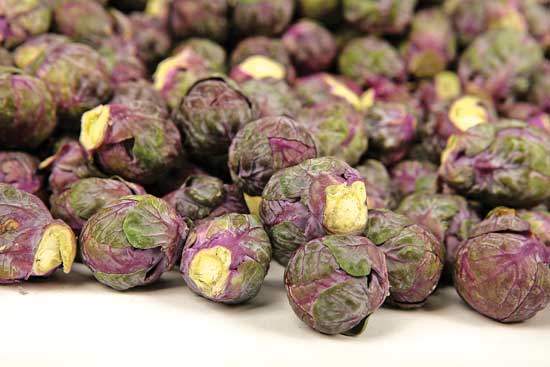
Rubine’ Brussels Sprout
This hard-to-find heirloom Brussels sprout is a colorful and delicious addition to any garden. It grows the same as ‘Long Island Improved’ and has that old-time Brussels-sprout flavor. Be the first in your neighborhood or farmers market to have these available.
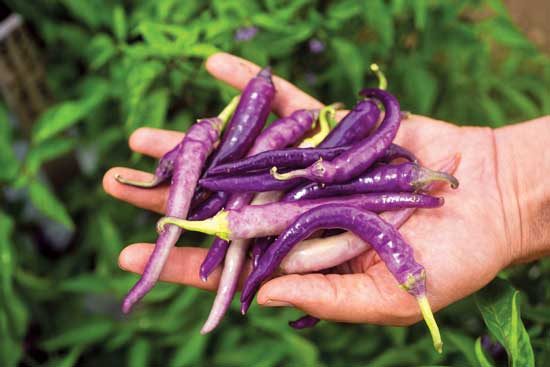
Buena Mulata’ Hot Pepper
This rare, extremely productive hot pepper was introduced by Williams Woys Weaver from his grandfather’s collection and offered exclusively through Baker Creek Heirloom Seeds. His grandfather received the ‘Buena Mulata’ hot pepper from African-American folk artist Horace Pippin in 1944. This chameleon-like pepper undergoes color changes during ripening, changing from violet to pink, then orange to brown, and eventually to a deep red. The long, round pods reach 6 to 7 inches in length and go through a unique flavor change as they mature as well, becoming sweeter as they ripen. The stunning plants also make wonderful potted specimens.
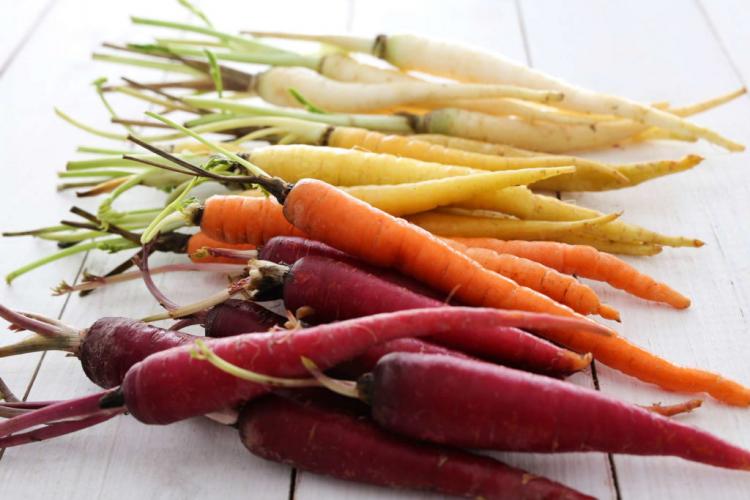
Purple carrot
Aside from anthocyanins, purple carrots contain other polyphenol antioxidants, such as chlorogenic acid and caffeic acid. In fact, purple carrots provide, on average, nine times more polyphenol antioxidants than carrots of other colors.
Purple carrots are highly nutritious and low in calories. Replacing high-calorie, processed foods with more vegetable-based dishes may help you lose weight.
Believe it or not, a few hundred years ago, all cultivated carrots were purple; the orange carrot wasn’t cultivated until the late 16th century. It’s unsurprising to see purple carrots sprouting up again given their stunning colour coupled with their anti-inflammatory properties and antioxidants.
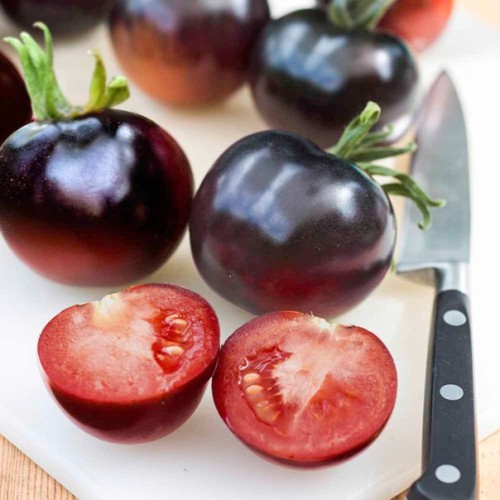
Blue Berry Tomato
Indigo Blue Berries cherry tomatoes contain high levels of anthocyanin, a naturally occurring antioxidant also found in blueberries, that is professedly helpful at combating disease, and is expressed in the dark blue-purple complexion of the fruit. Tomatoes are a good source of calcium and iron. They contain decent amounts of phosphorus, sulfur, and potassium, and they are also rich in vitamins A, B and C.
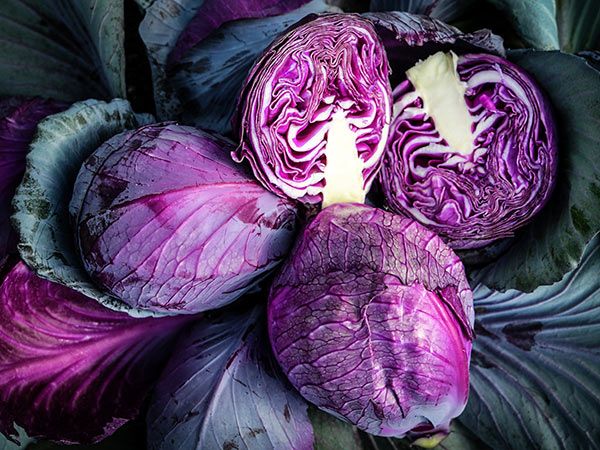
Red Express Cabbage
The color in red cabbage comes from pigmented anthocyanin antioxidants. Actually, the same anthocyanin pigment is the source of all the different colors in red cabbage: red, purple, bluish-purple and even greenish-yellow. The only difference between the red cabbages that are actually red and the red cabbages that are purple or another color is the pH of the soil they are grown in. An acidic soil (pH lower than 7) will produce reddish cabbages, a neutral soil (pH around 7) will produce purple cabbages whereas a basic or alkaline soil (pH higher than 7) will produce greenish-yellow cabbages.
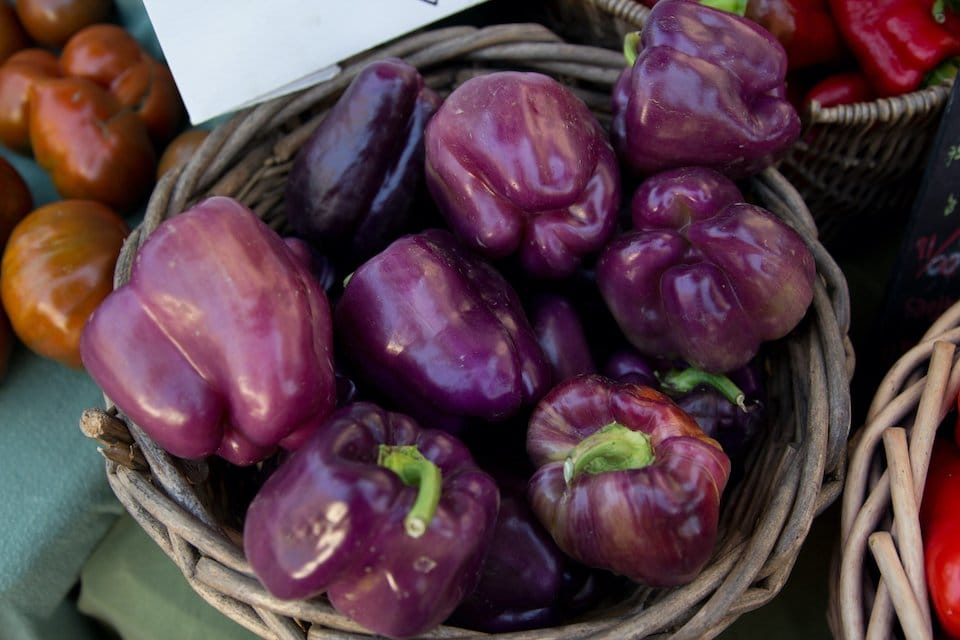
Lilac Bell Pepper
Lilac peppers (Capsicum annuum “Lilac”) features a deep purple color at early maturity that eventually develops to a bright red if the peppers aren’t promptly harvested. The sweet flavor and interesting color makes lilac peppers an eye-catching addition to salads and stir fries. Like other pepper varieties, lilac peppers require frost-free, warm weather to produce fruit. Harvesting when the peppers reach optimum maturity and avoiding plant damage can encourage further fruiting from the same pepper plant.
Purple bell pepper has anthocyanin content that are known to reduce the risk of high blood pressure. Purple bell pepper bloom during the summer. It’s need a lot of sunlight. Indeed, there are many health benefits of purple bell peppers.
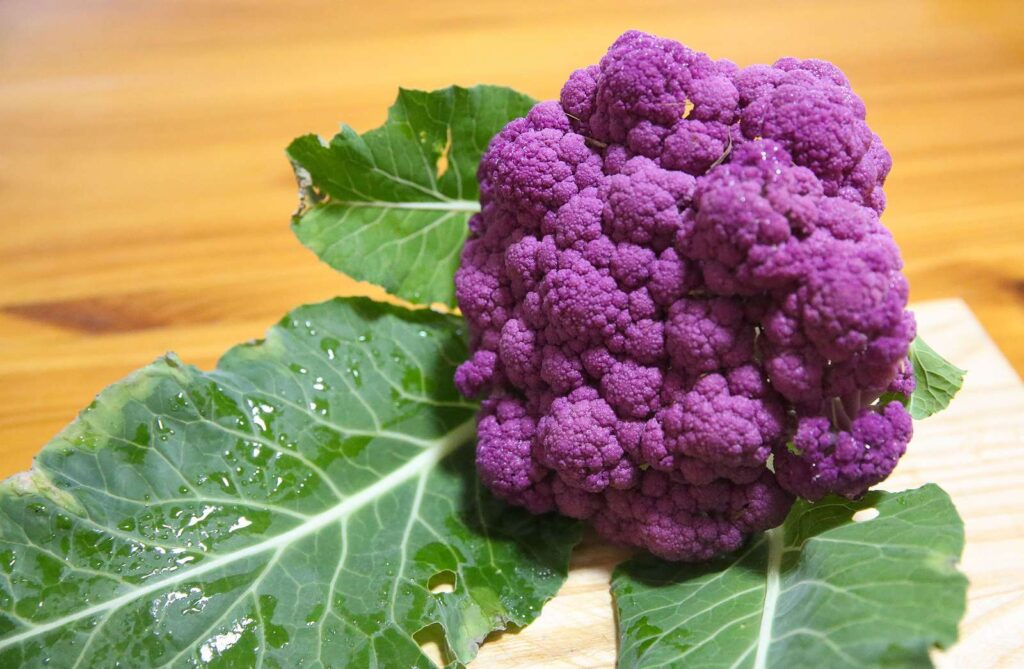
Purple of Sicily Cauliflower
Purple cauliflower’s origin is unknown, but could possibly be Italy or South Africa. It was prized during the Renaissance because it was so beautiful. Roast it and add it to salads, or try making a cream of cauliflower soup for a real regal treat!
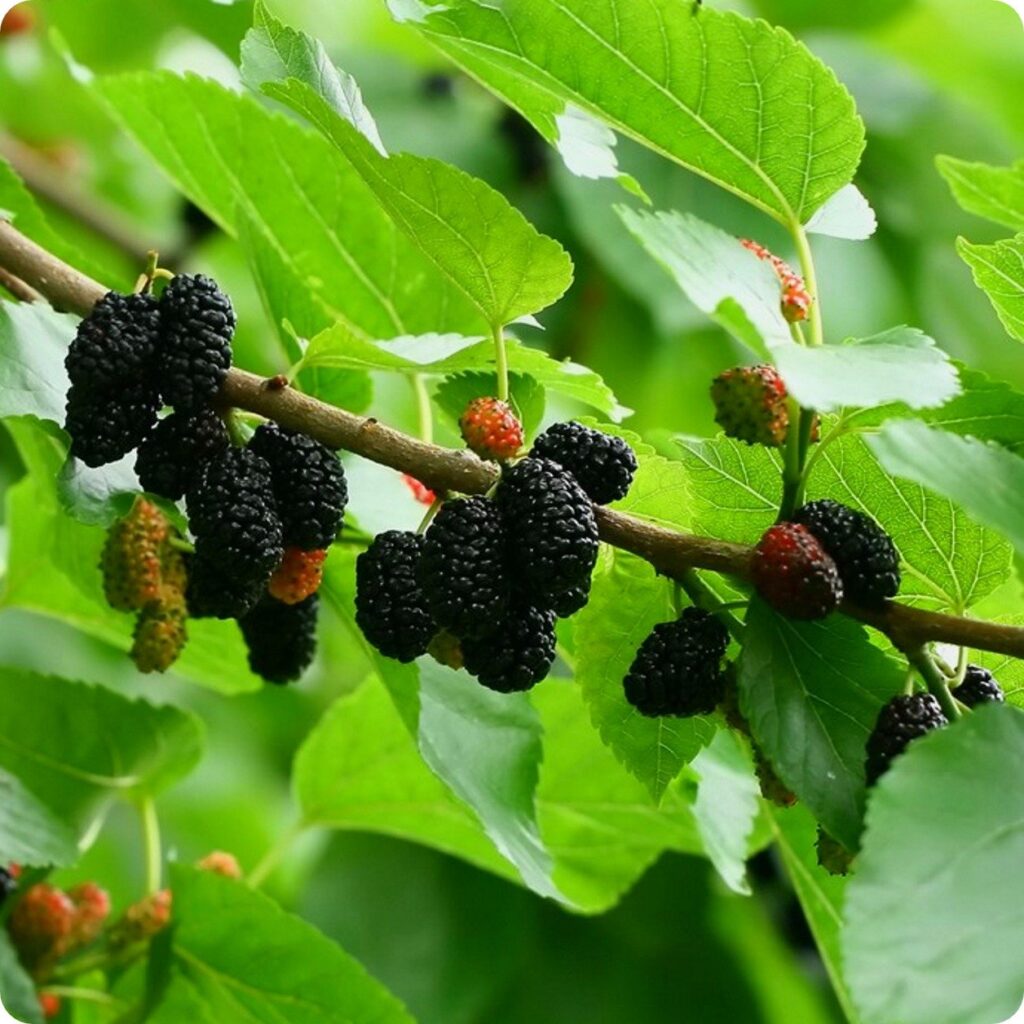
Black mulberry
The black mulberry ( Morus nigra ) comes from Western Asia and has now also immigrated to America and Southern Europe. The small tree, which needs warmth, thrives here in protected areas with a wine-growing climate. The preferred lime-rich and nutrient-rich soil should be warm and sunny. The black-violet fruits taste much more aromatic than those of the white mulberry.
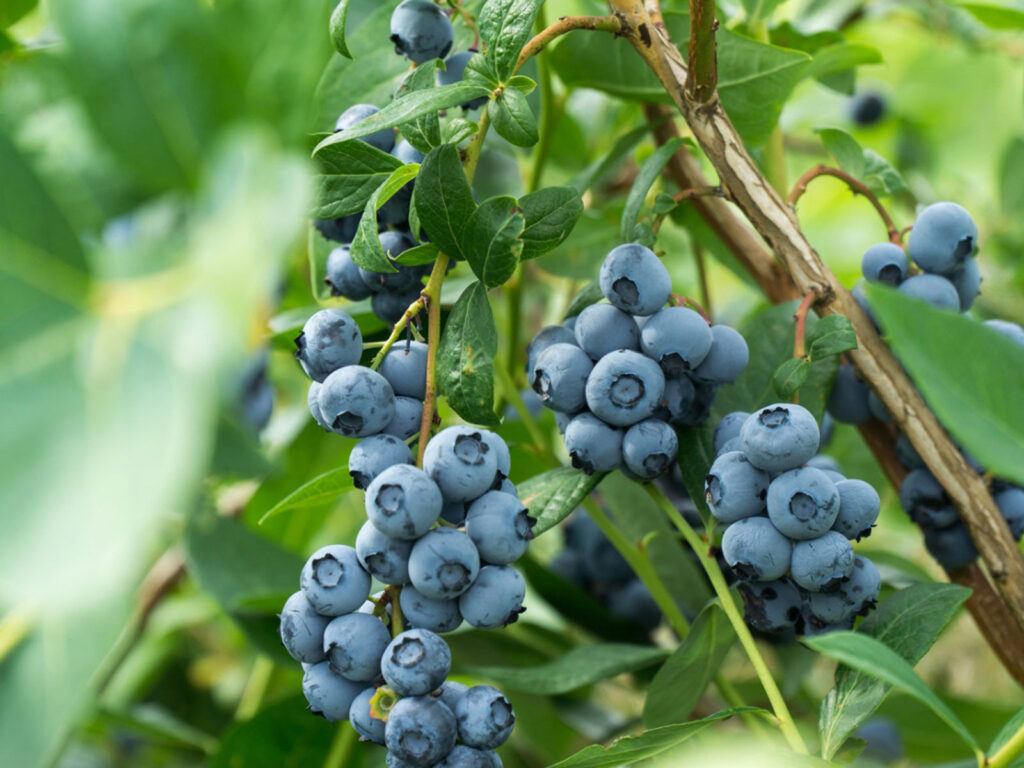
Blueberries
Blueberries have long been recognised as a superfood of the fruit world, catapulting them into the spotlight for those health-conscious consumers. High in antioxidants, this purple fruit is delicious eaten in its natural state, or baked into desserts.
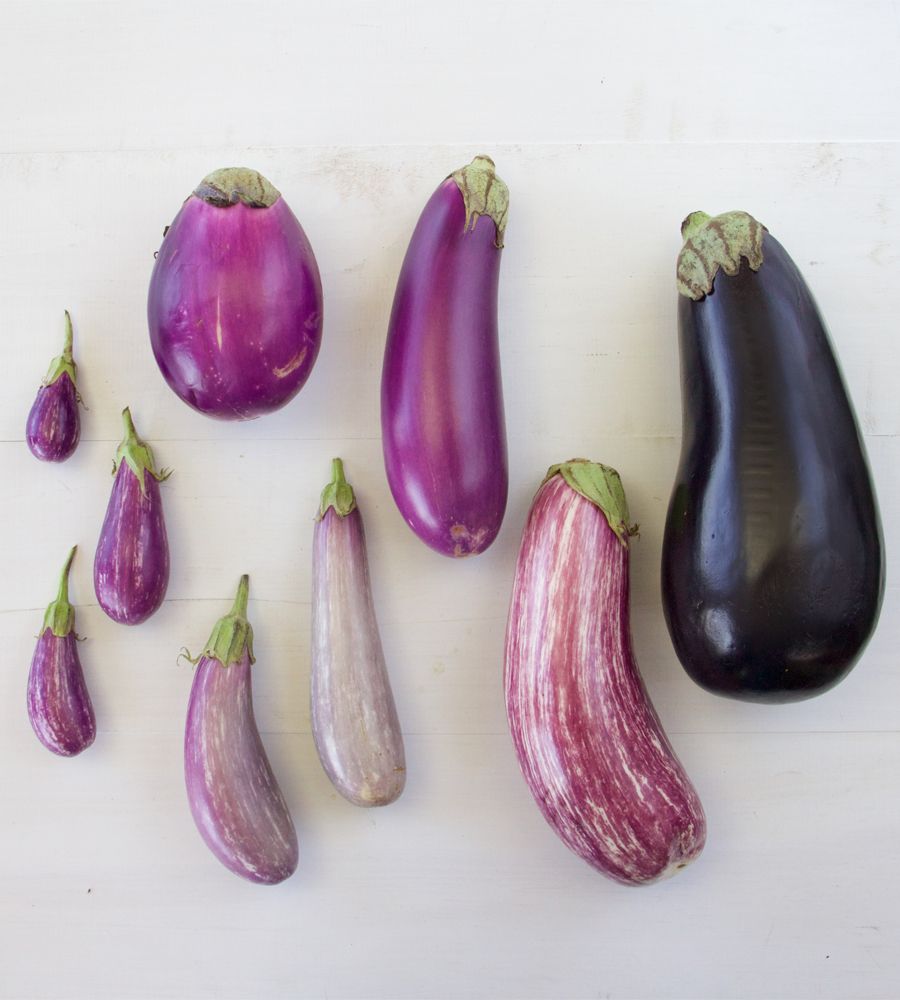
Eggplants
Eggplants – or aubergines – are a versatile purple vegetable that can be eaten any number of ways. Full of vitamins, minerals and dietary fibre, they are also said to have the potential to lower cholesterol and help manage weight. So, plenty of reasons to put eggplant on the plate.
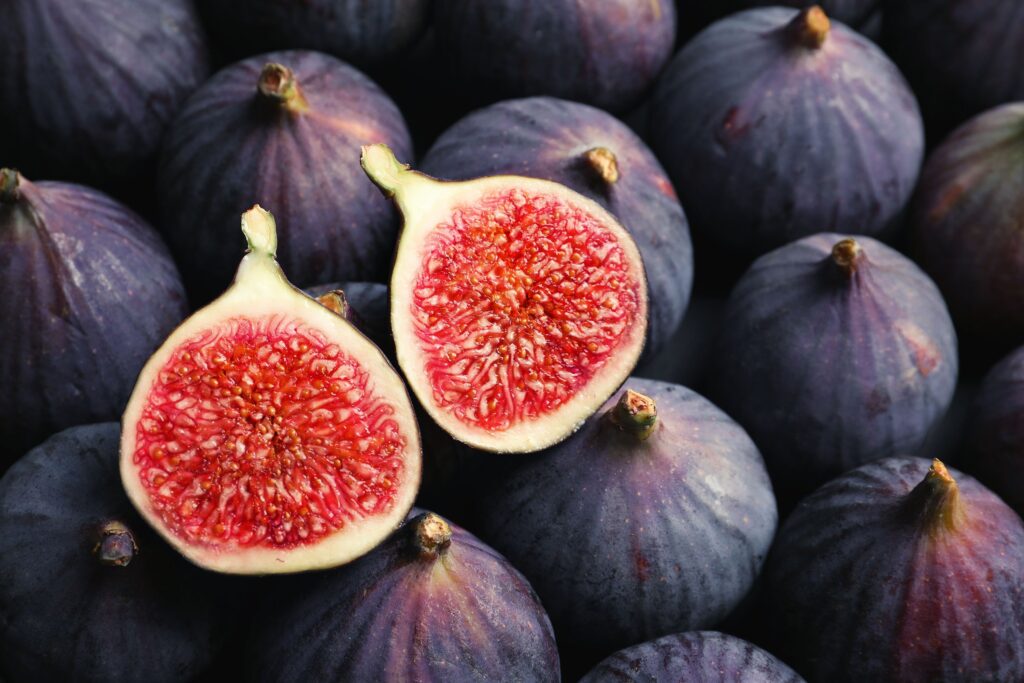
Figs
Figs are rich in natural health benefiting phyto-nutrients, anti-oxidants and vitamins. Dried figs are a great concentrated source of minerals and vitamins.
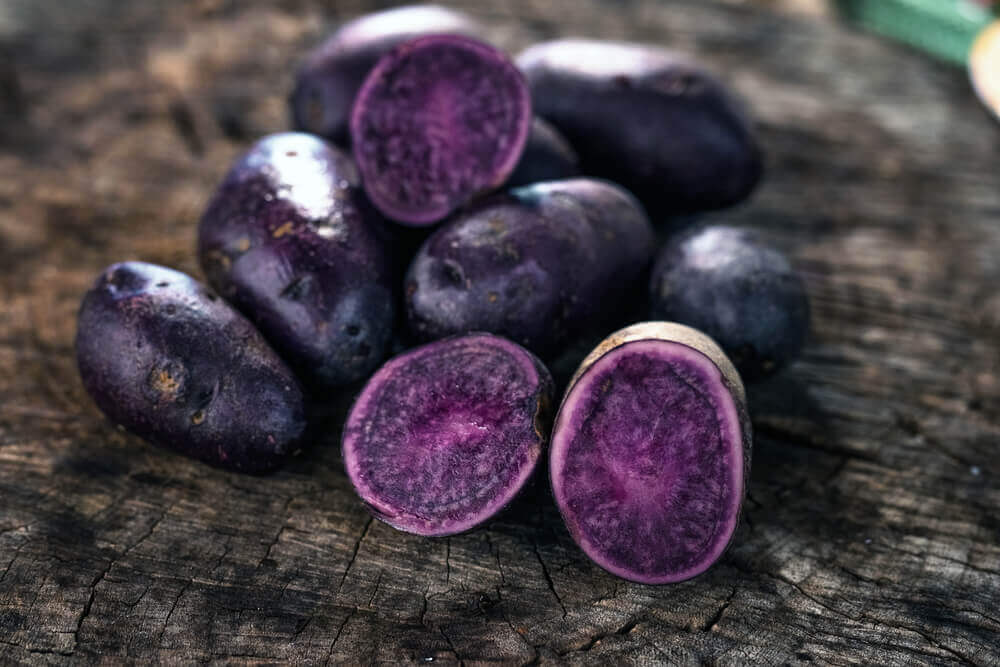
Purple potatoes
Purple potatoes are reported to contain four times as many antioxidants as russet potatoes thanks to anthocyanin, the pigment that creates the purple colour in the potatoes’ skin and flesh.
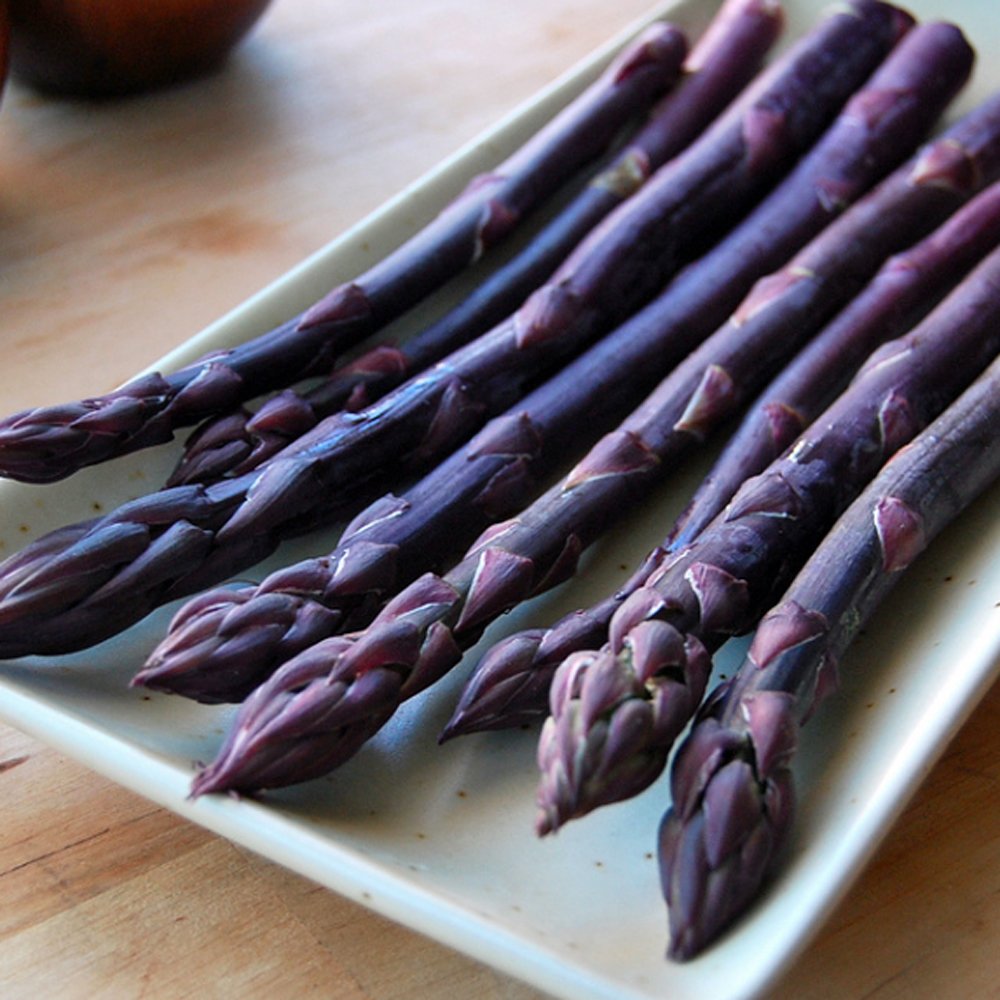
Asparagus
This asparagus is so sweet it can be eaten raw, meaning you get to enjoy all those health-enhancing antioxidants to their full potential.
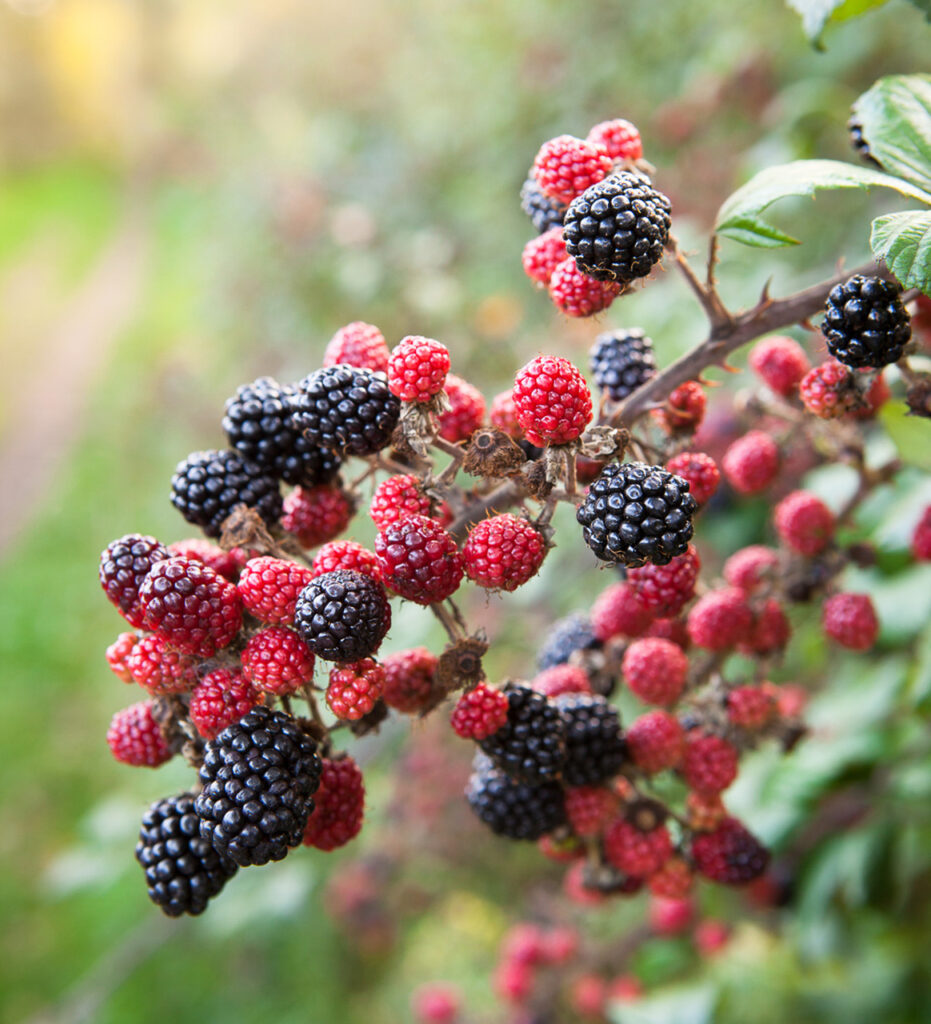
Blackberries
The rich colour of blackberries is a giveaway that they have some of the highest antioxidant levels of all fruits. Rich in bioflavonoids and Vitamin C, they are low on sodium and calories. Enjoy them naturally to benefit from their nutritional goodness.
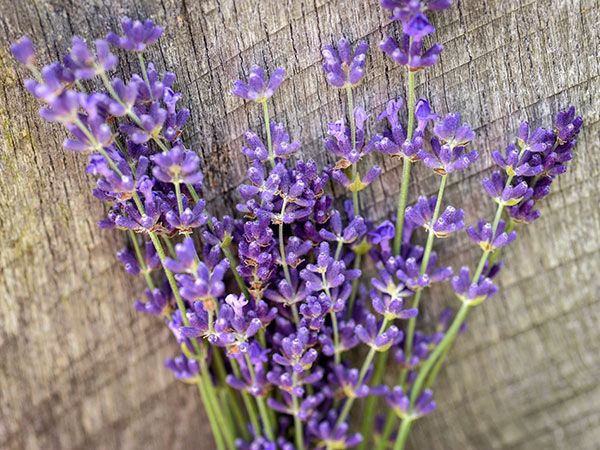
Lavender
An honorary member of the purple fruit or vegetable family, lavender is used in a variety of recipes and is prized for its health benefits. This fragrant herb aids in relaxation and stress relief.
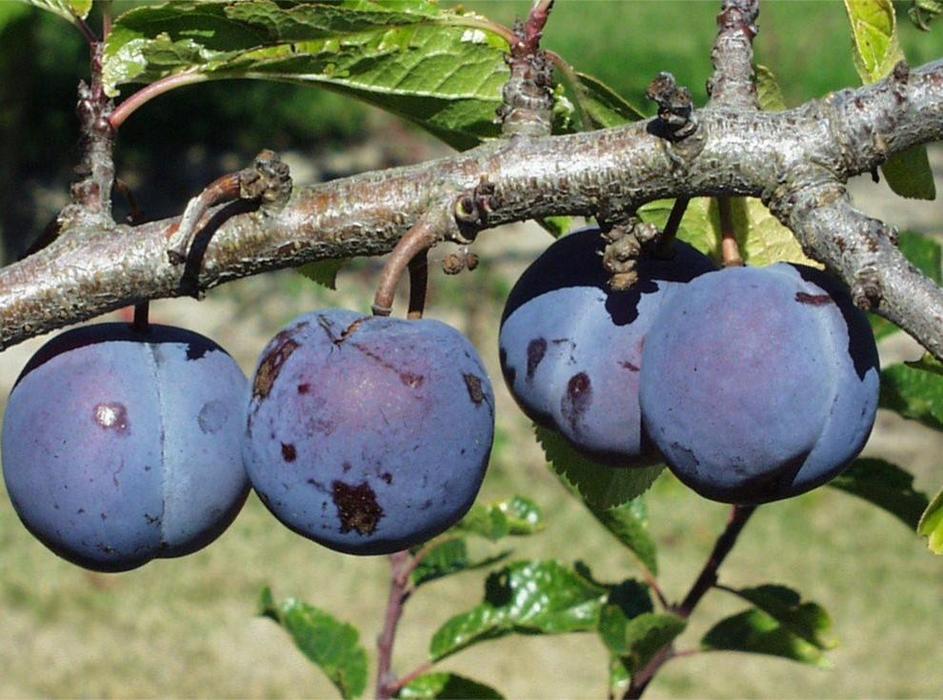
Purple plum
When it comes to purple foods plums should always be on your list. This humble fruit comes in different varieties but the most popular one in the United States is the purple plum (also called black plum) with yellow flesh.
Plums are rich in fibre and help ease digestion, as well as being a wonderful source of vitamin A.
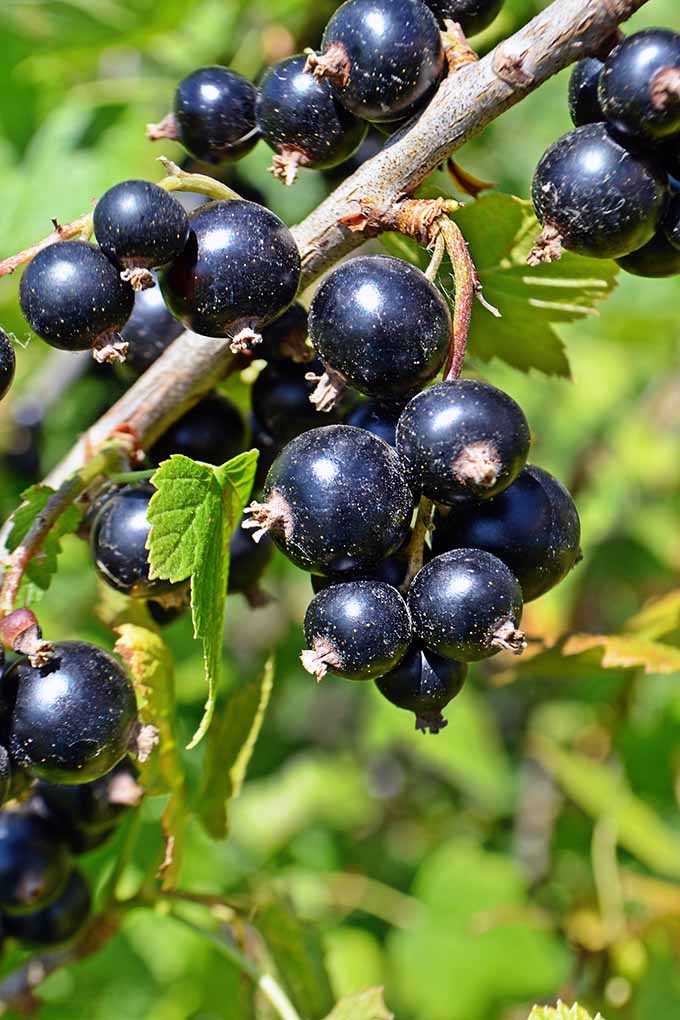
Black Currants
Black Currants – this berry, native to central and northern Europe and Asia, is rich in vitamin C and polyphenols, and is often used to make jams and syrups.