





Blueberries (Vaccinium spp.)
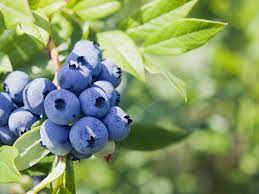
Blueberries are attractive three-season shrubs with pretty white spring flowers, summer fruit, and gorgeous red fall foliage. Growing blueberries requires some advance work to ensure the soil is acidic enough, but the shrubs should live and produce fruit for years. For a large harvest, you will need two varieties for good pollination. Blueberry plants grow slowly and reach full size in 8 to 10 years. You can also grow blueberries in containers. Just be sure to cover your plants with netting to protect them from birds once the fruit arrives.
Strawberries (Fragaria x ananassa)
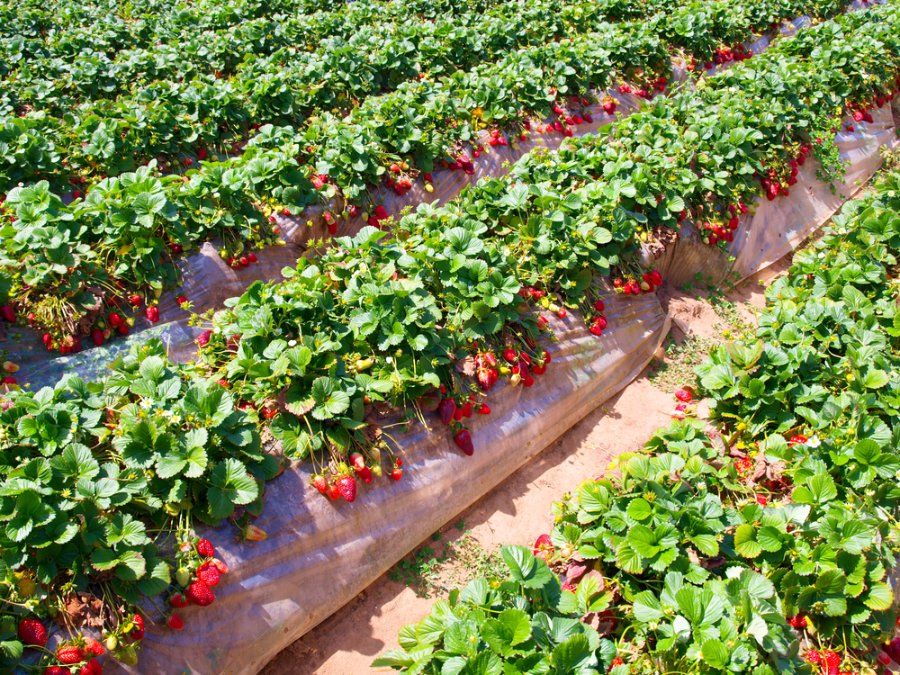
Freshly picked strawberries are well worth the minimal effort it takes to grow them. Strawberry plants like to spread via runners. But for the best fruit production, limit the runners to just a few plants and prune the rest. One of the biggest benefits of growing strawberries is their perennial nature. You can reap the rewards of your labor for several years after initially planting strawberries with minimal effort after the initial planting year.
Raspberries and Blackberries (Rubus spp.)
Raspberries and blackberries have always been backyard favorites. The plants do require annual pruning to keep them productive, but it is a quick job. The goal with pruning is to thin the plants enough that light and air can reach all parts. This benefits growth and helps to prevent disease. To keep your plants healthy and productive, make sure they don’t dry out in the summer. Remember: damp in summer, dry in winter. Blackberries prefer moisture-retentive, but free-draining soil.
Grapes
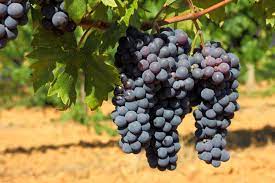
Grapevines are not hard to grow. Grapes need some type of trellis or support to grow on. Be sure to note whether a variety is best for eating or winemaking. Most grape varieties need a sunny location with rich soil that has good drainage and air circulation to prevent disease.
Apples
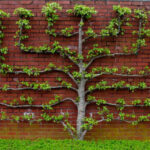
To set fruit, the vast majority of apple trees requires a different variety grown nearby for pollination. While some apple varieties are self-pollinating, even they produce more fruit with another variety nearby. Apple trees are prone to many insect and disease problems. Apple trees also need a great deal of pruning. This promotes healthy growth and helps to prevent disease. To save space, you can select trees with multiple varieties grafted onto one trunk, or small columnar tree.
Cherries (Prunus avium)
Cherries are one of the easiest fruit trees to grow and care for. Sweet cherries need two trees for cross-pollination unless you plant a tree with two different varieties grafted on it. Prune your cherry tree in the winter while it is still dormant, and fertilize it in the early spring. Moreover, these trees aren’t very drought tolerant. Planting cherry trees requires well-drained, fertile soil.
harvest of fruit.
Peaches
Peach trees tend to be small enough to fit in most backyard sizes. And when the peaches are ripening, you can smell their sweetness several yards away. Plus, a benefit to growing this thin-skinned fruit yourself is you’ll get to enjoy the freshest produce straight from the tree, rather than the old and potentially bruised options at the supermarket. These trees do require some pruning to keep the branches productive and at a manageable height. Thinning young trees helps them to produce smaller crops of large peaches, rather than heavy crops of tiny peaches. Peach trees are typically pruned into an open V, with three to five main branches that allow light and air to hit the center.
Peach trees bear juicy fruits that are a healthy snack when eaten on their own or are the star ingredient in baked desserts, such as cobblers or pies. If you don’t mind waiting a few years for your peach tree to bear fruit, you can start a peach tree by planting the pit. Otherwise it’s best to start your peach tree using a young tree purchased from a local nursery. While peach trees grow best in climates with hot summers, they must first experience a cold dormancy period in order to thrive. To ensure your peaches have a sweet, full flavor, make sure their outer skin is completely void of any green coloring before harvesting.
Plum tree:
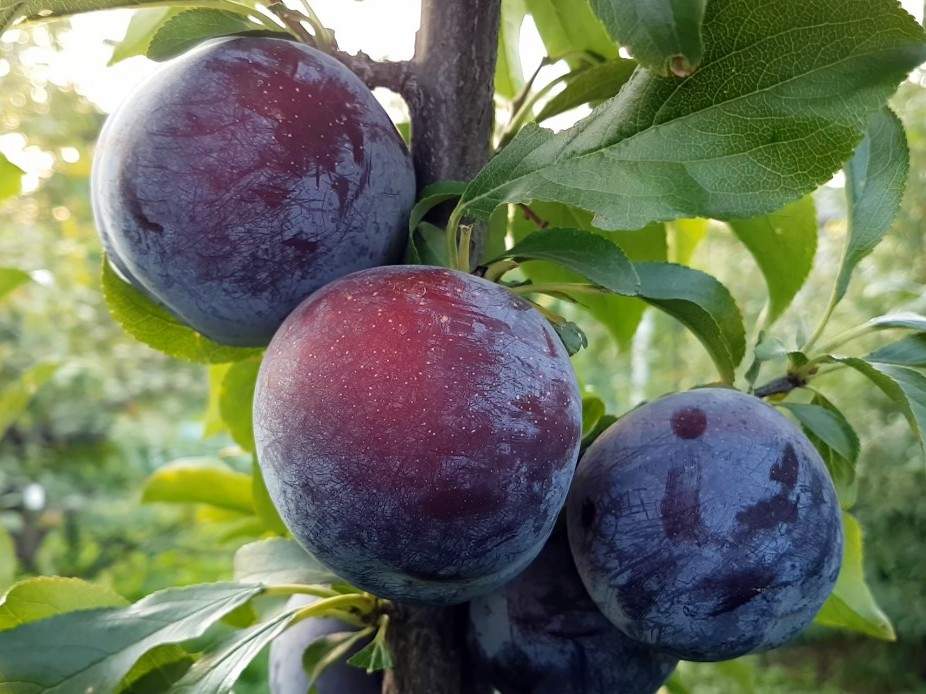
Plum trees are a great fruit tree for beginners and expert gardeners alike. They’re cold hardy, require little maintenance after they’re established, and produce heavy crops of delicious stone fruit. American hybrid plum varieties are best in cold and moderately cold climates, European plum varieties are ideal for moderately cold climates, and Japanese plum varieties are perfect for mild climates. If you plan to make prunes (dried plums), use European plums. Make sure your plum variety is self-fertile, or else you’ll need to plant at least two plum trees to guarantee cross-pollination. One popular subspecies of the plum tree is the damson tree; damson plums are a common plum variety useful in fruit preserves, jams, and jellies.
Pomegranate tree:
This small tree or shrub bears bright red fruit full of nutrient-rich seeds. Pomegranate trees grow best in USDA hardiness zones 7–12, thrive in loamy soil with good drainage, and grow best in full sun.
Persimmon tree:
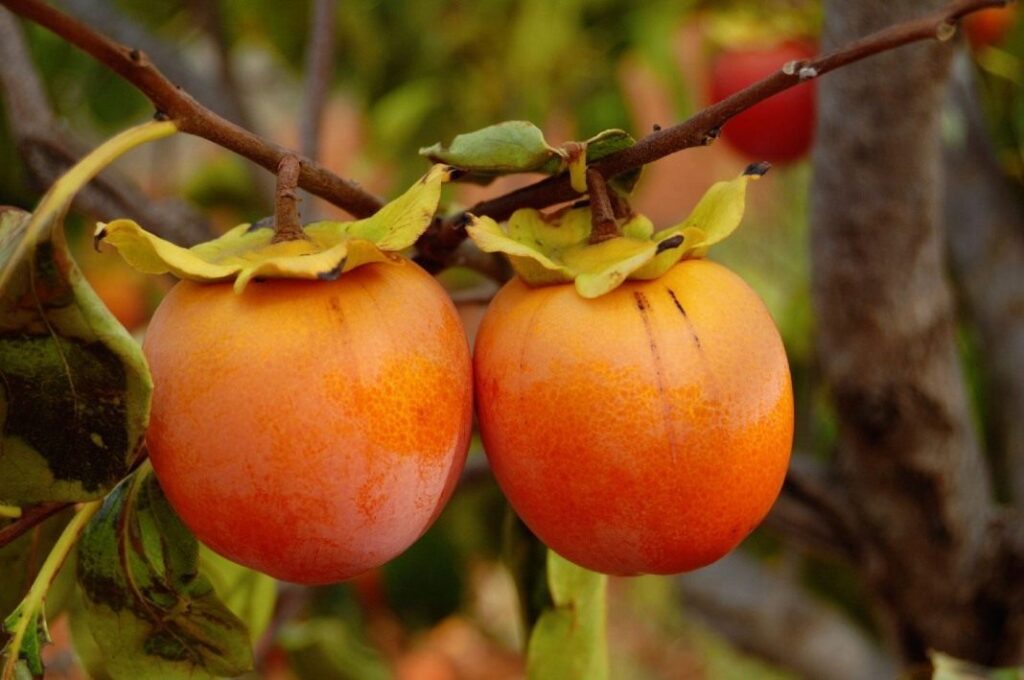
Native to the southeastern United States, this fruit bearing plant comes in two varieties: astringent persimmon fruit and non-astringent persimmon fruit. Astringent persimmons are shaped like peppers and are ideal for baking, while non-astringent persimmons are shaped like tomatoes and are best eaten raw. Persimmon trees grow in USDA hardiness zones 4–11, thrive in full sun conditions, and flourish in slightly acidic soil.
Pear tree:
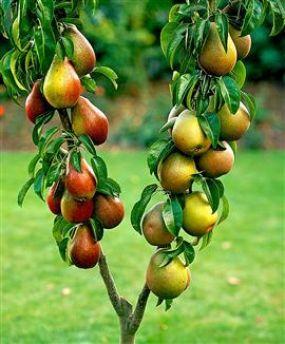
Pears are popular fruit trees for the home garden because they’re low-maintenance, they have beautiful blossoms, and they grow in small spaces. As if that weren’t enough, pear trees are as hardy as apple trees (they can thrive in USDA hardiness zones 3–10) and are very pest- and disease-resistant. There are two different varieties of pears: European pears and Asian pears. Asian pears ripen on the tree, while European pear trees ripen after harvesting.
Avocado tree:
If you’ve ever wished you had an endless supply of guacamole, growing your own avocado tree is an option worth considering. You can start an avocado tree from a pit, but you’ll have to wait a minimum of five years for it to flower and bear fruit. A more convenient option is to instead plant a nursery-grown tree. Since avocado trees are tropical plants, they don’t fare well in cold weather and tend to thrive in the southernmost regions of the United States. When choosing a planting site, seek a full sun environment that’s protected from wind and has soil with exceptional drainage.
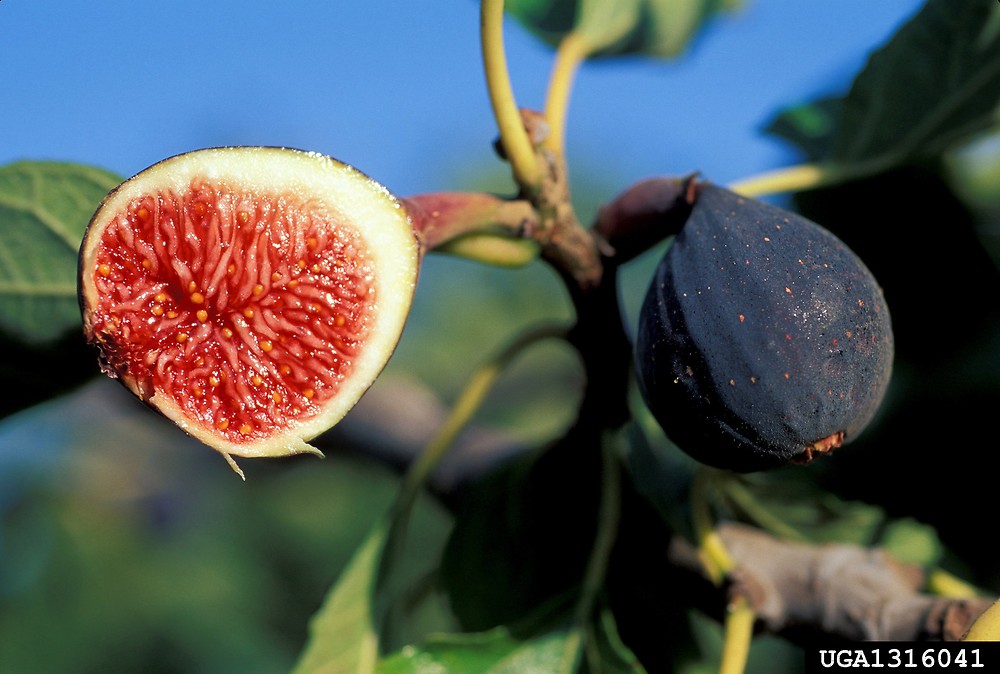
Figs (Ficus carica)
Fig trees are surprisingly easy to grow either in the ground or in containers. They do not require much pruning and are usually pest-free. Most fig varieties are only reliably hardy down to USDA hardiness zone 7, but there are a few new cultivars that are hardier.If you choose to grow your fig tree in a container and move it indoors for the winter, keep the container small. The more confined the roots are, the smaller the top of the tree will remain. It will be much easier to move, and you will still get plenty of figs.