
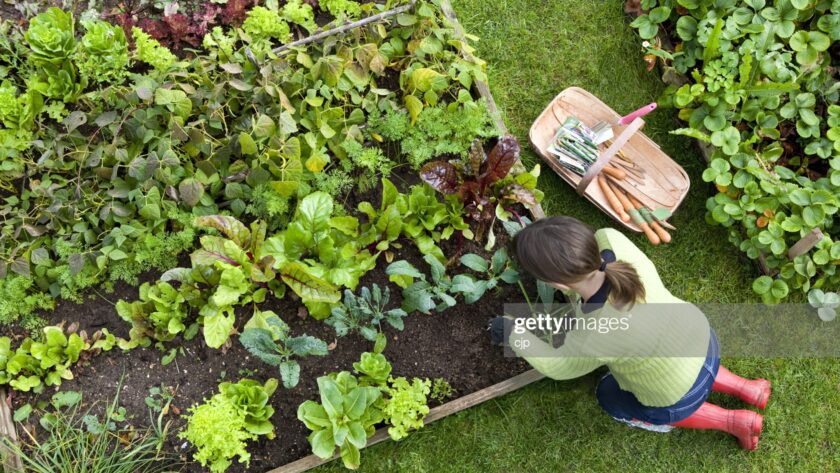
Building raised beds is a good project for those who wants to grow healthy food. When making a raised bed instead of going in-ground, you can place it where the sun or shade is the best for the plants you want to cultivate.
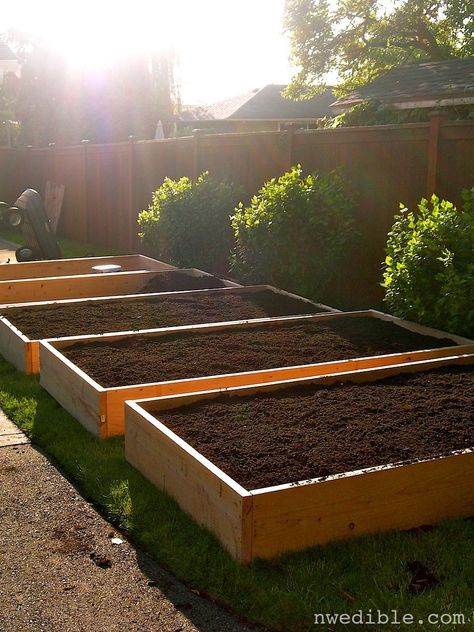
The most important part of any garden is the soil, and the more organic matter it contains, the better. Soil microbes are fed, oxygen and water readily reach roots, and plants thrive as a result. Here is the balance to aim for:
- 40% compost: Compost is packed with nutrients for plants. While you can compost at home, it can also be purchased in bags from your local garden center.
- 40% topsoil: In terms of topsoil, we’re not talking about “potting soil,” as it’s too fluffy for raised beds. You’ll also find bagged topsoil at a garden center or local farm supply or lumber store.
- 20% aeration: In terms of aeration, a lot of bagged soil mixes already contain some perlite, pumice, or rice hulls. If not, you need to add something for drainage.
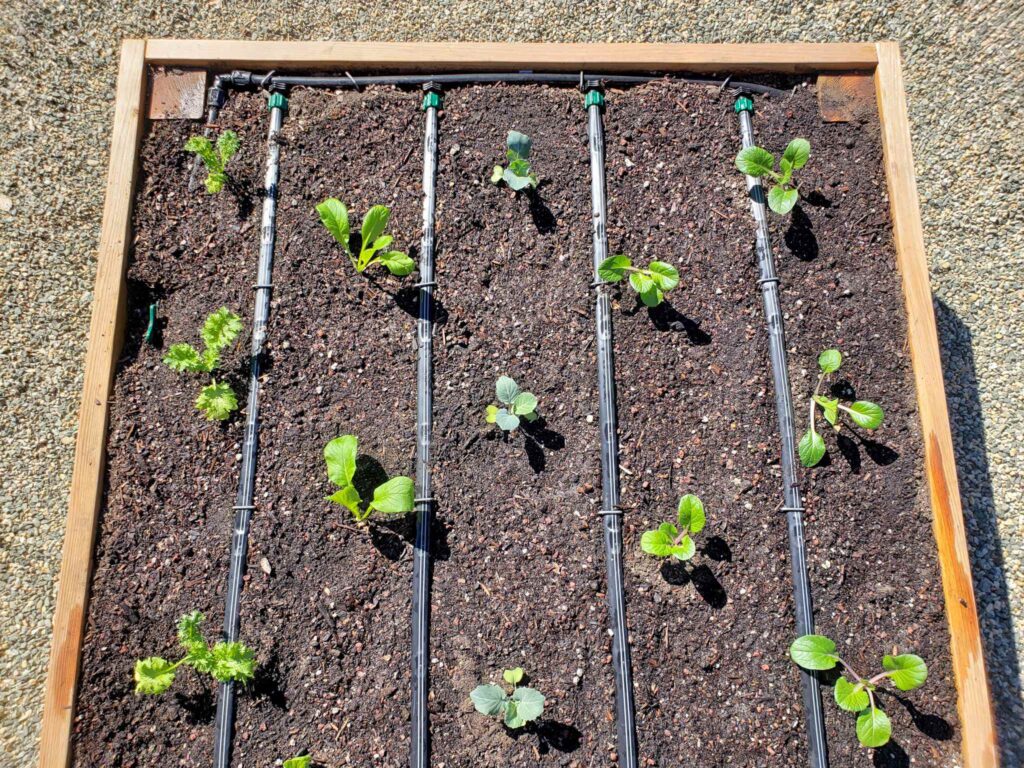
Plan Your Irrigation System
Soaker hose and drip irrigation are the two best ways to irrigate a raised bed. If you plan it ahead of time and install your irrigation system before planting, you can save yourself a lot of work and time spent standing around with a hose later on.
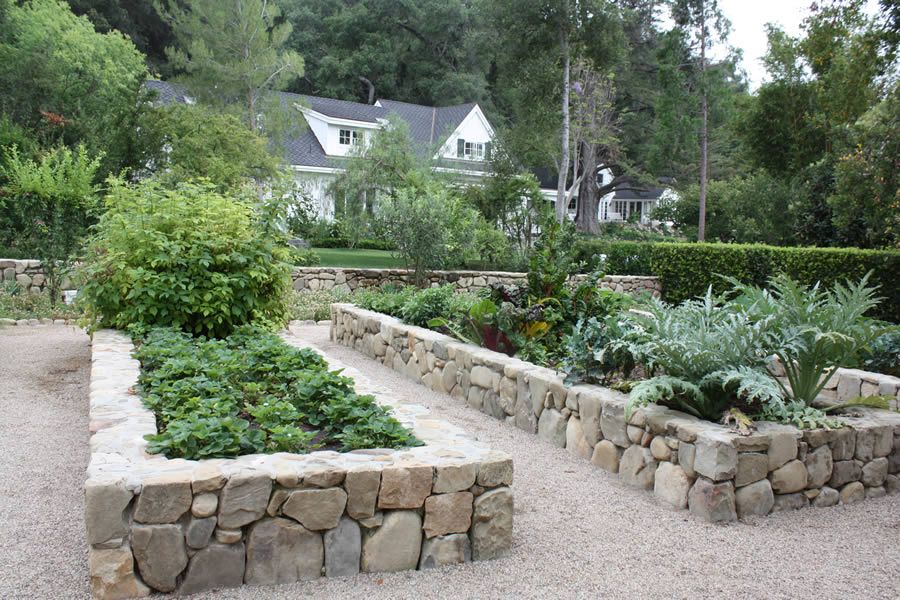
Stone raised beds
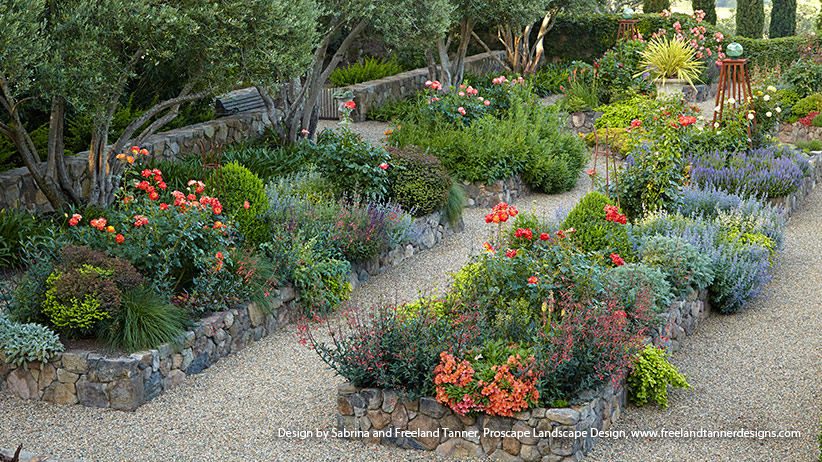
These raised beds, shown at the height of the growing season, are made from stacked stone. Some gardeners prefer stone to wood for their beds because there is less maintenance. Others chose stone because they love the way it looks. The only downside is that the upfront investment is typically more with stone.
If you are looking for an affordable way to build a sleek garden bed with a polished look, you can opt for a cinder block DIY raised garden bed. The combination of cinder blocks and concrete tops makes it look sleek with a refined finish. The blocks can be laid wherever you want.
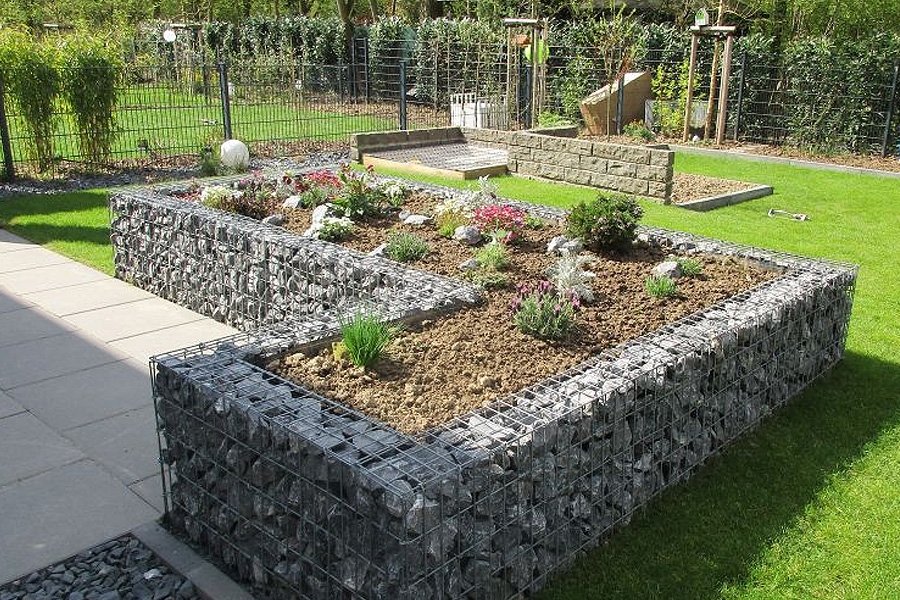
Gabion Raised Beds
Gabion raised garden beds are essentially a galvanised steel mesh frame designed to hold rubble rock (small to medium sized blue rock) to form a large container able to hold a growing medium for plants.
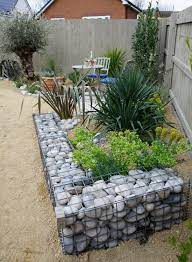
It’s much easier to move small rocks plus a flat packed galvanised mesh into place and build a wall or structure than it is to bring in large boulders, pour concrete, or make it out of bricks. Many smaller rocks thrown into a metal frame can create a strong, heavy landscaping solution to meet the needs of most people for their property.
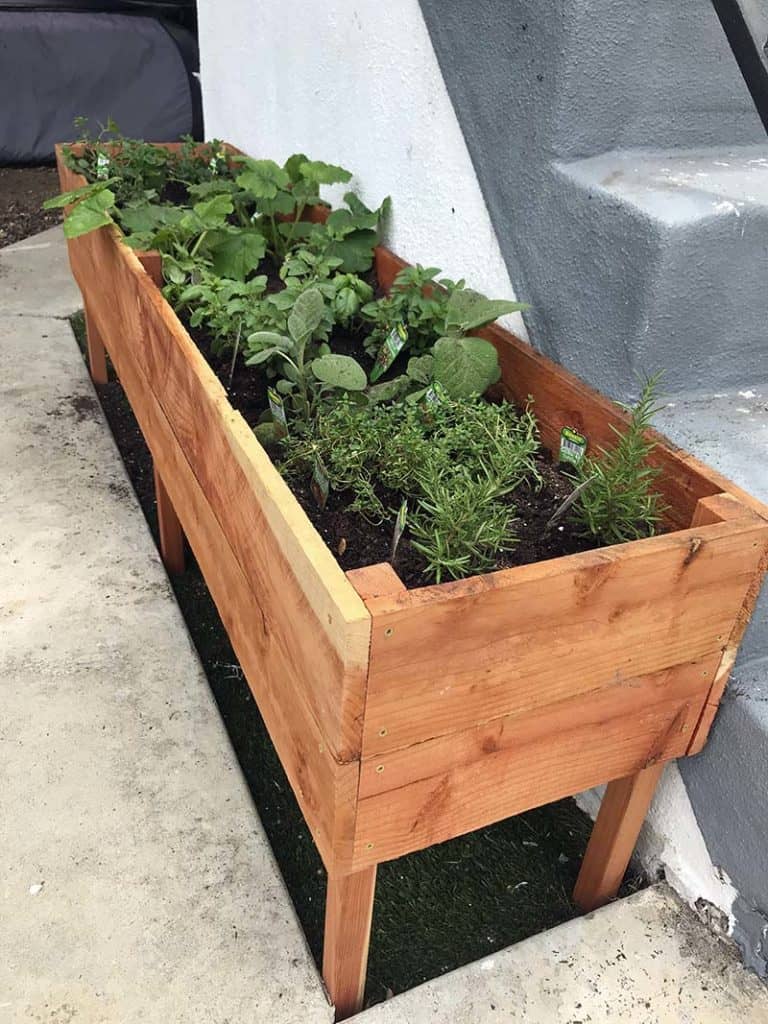
Redwood Box
If you’d like to grow veggies on your deck or patio, try a redwood planter box like this one. Much like raised beds, self-contained planters, offer better soil control and easier harvesting, plus they can be moved around if necessary.
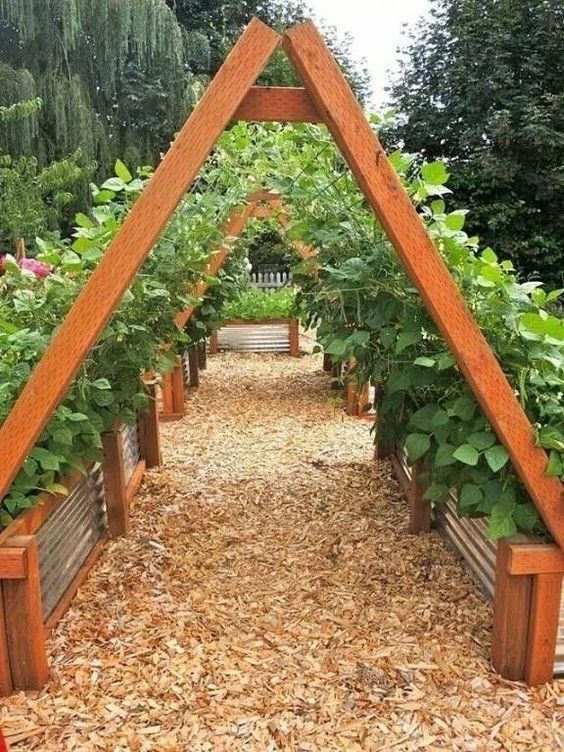
Using a trellis or arbor with a raised bed makes it even easier to harvest vegetables and keeps them neater than if they were sprawling on the ground. Vertical gardening allows you to grow more plants without taking up more space.
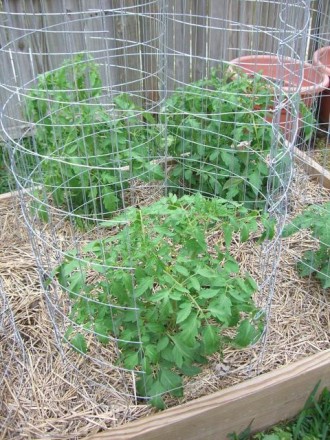
Mulch with straw, grass clippings, leaves, or wood chips after planting your garden. This will reduce the amount of weeding you’ll have to do and keep the soil moist.
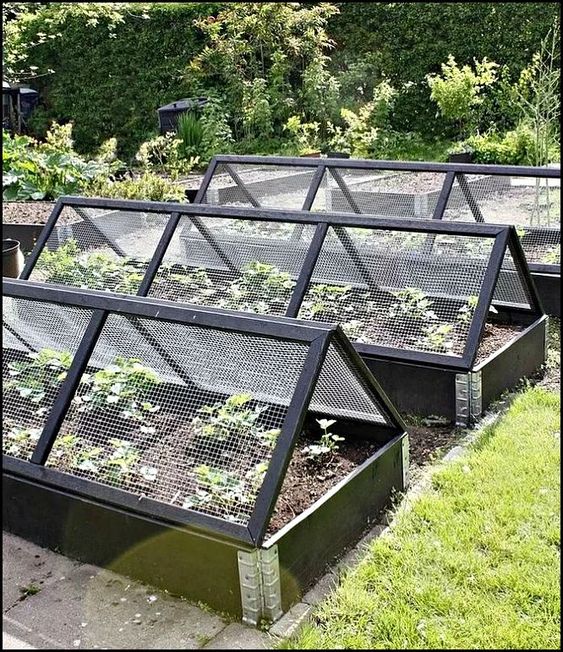
Square foot gardening involves dividing the growing area into small square sections, typically 1 foot per square. The aim is to produce an intensively planted vegetable garden or a highly productive kitchen garden.
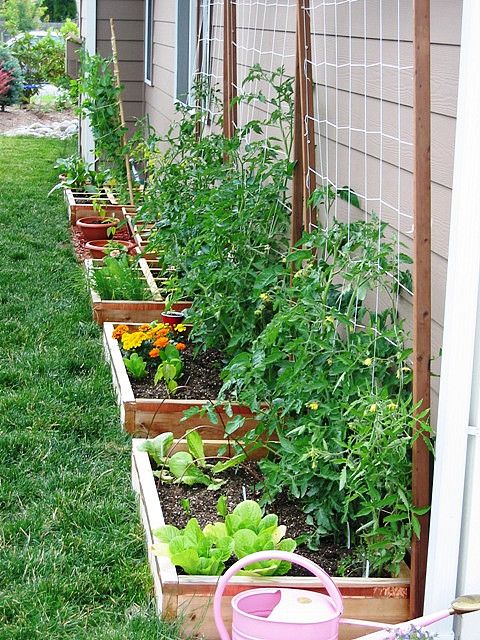
Using a raised bed for growing vegetables allows you to control the soil quality and prevent it from becoming compacted. Vegetable roots can grow unimpeded. The beds do not have to be very high off the ground to get the benefits from being in a raised bed. Even 6 to 8 inches can be enough.

You should take part in a contest for one of the greatest blogs on the net. I most certainly will recommend this site!