
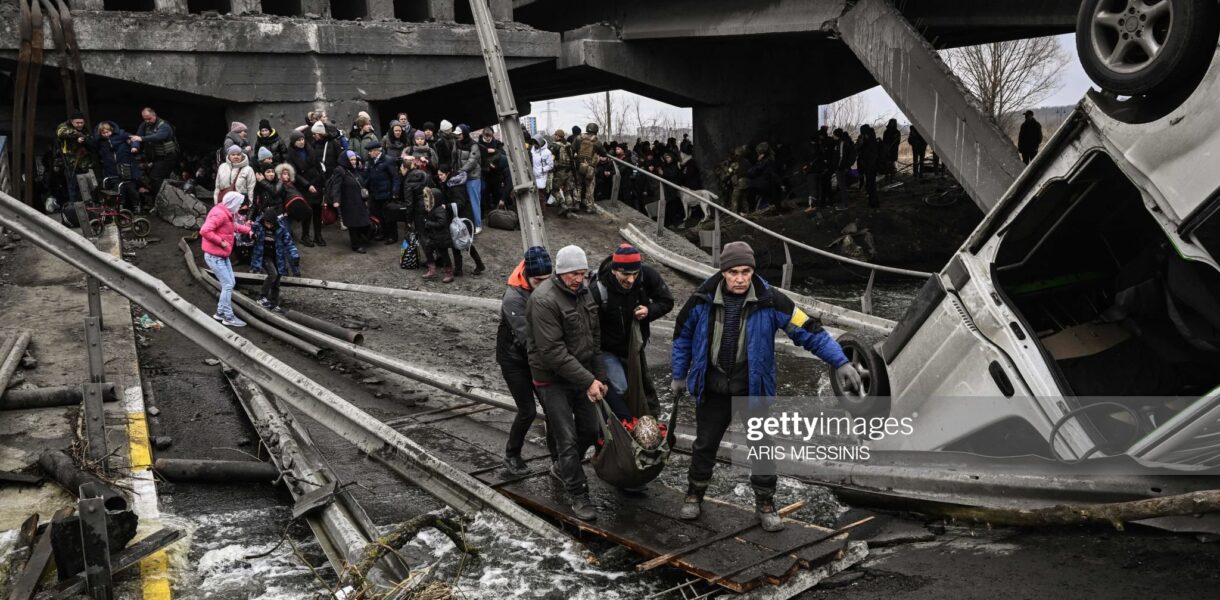
The war in Ukraine has spiraled into a widespread humanitarian catastrophe. Civilians and medical workers have been killed and millions of Ukrainians have fled home seeking safety. By the middle of June, more than 7 million people had been internally displaced, while more than 5 million refugees had been recorded across Europe. If you can’t leave the house from the blocked borders, occupation, you need a bug out list essentials.
Stand with Ukraine https://u24.gov.ua/

Emergency preparedness is not a fad, nor a hobby. It’s our life.
A bug-out bag is a survival kit you pack if you need to shelter in place or flee your home at a moment’s notice. In a war or natural disaster, you might not have time to prepare a backpack stocked with food and provisions, so a bug-out bag acts as an emergency kit filled with survival gear and other essential items to help you through a sudden and dangerous event.
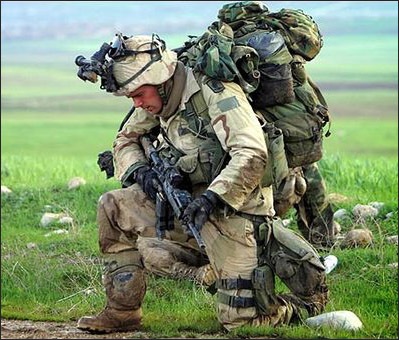
Weight
It’s best to assume that while backpacking or bugging out you will be carrying your bug-out bag. Just because you have a vehicle does not mean it will be usable; in an emergency, roads may be closed, storms may come, and gas stations may be inaccessible. You’ll want to know how much you can feasibly carry for a prolonged period in case you are on your feet. Bug-out bags can be anywhere from ten to forty pounds; consider your body weight and how much you can carry.
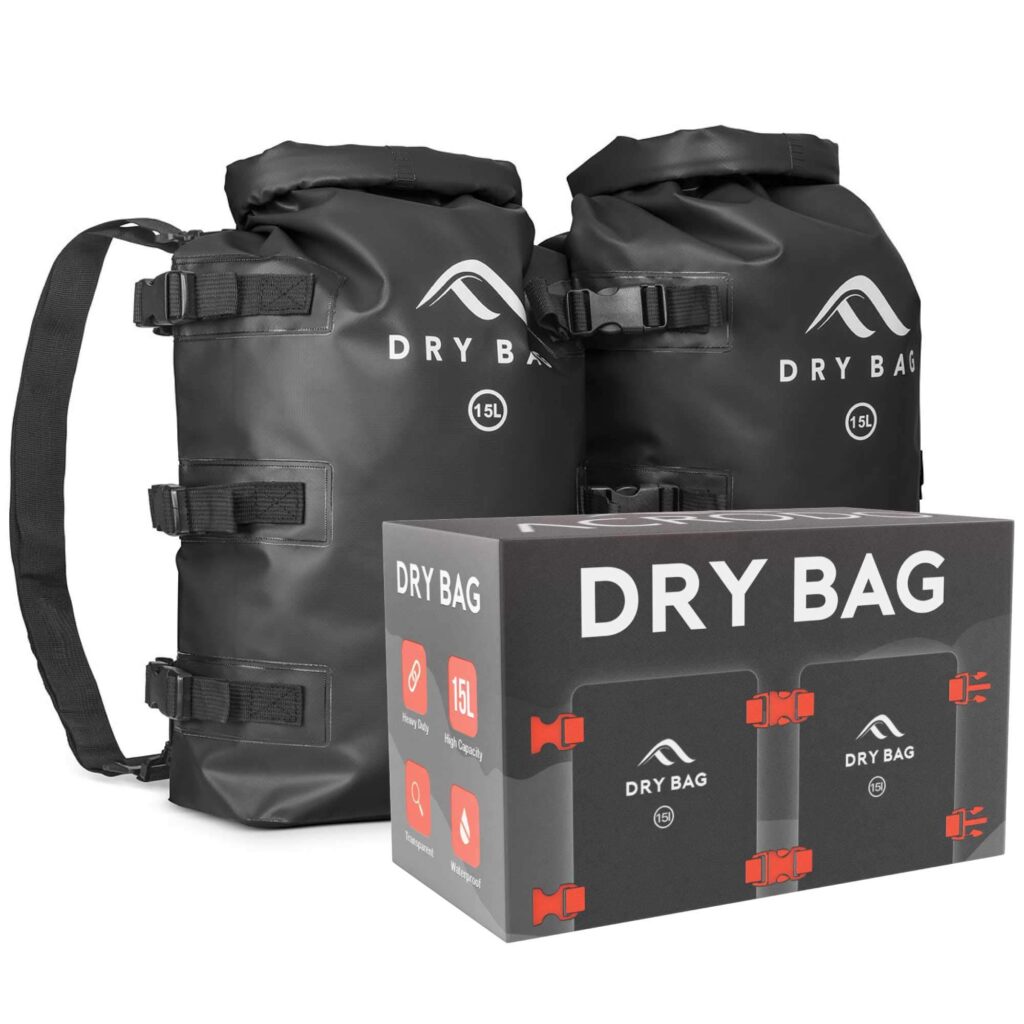
Waterproofing
Natural disasters can bring a significant amount of precipitation, so it’s essential to have a waterproof bug-out bag containing waterproofed items. Waterproof containers can store essential items that shouldn’t get wet, such as matches, important documents, and foods. Pack a poncho—they’re lightweight, easy to fold up, and can help keep you dry.
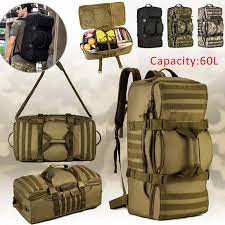
Compartmentalize
Stay organized. The last thing you want to do in an emergency is rifle through your bag looking for an item. Compartmentalize your bag, pack like items together, and place heavier items on the bottom so as not to squish more delicate ones. In your free time, practice packing and unpacking your bug-out bag to better know where essential items are stored.
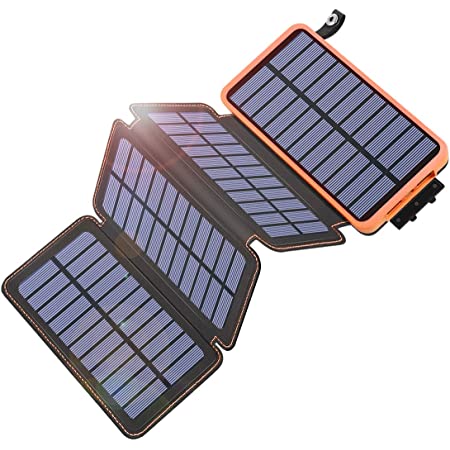
Chargers
You’ll want to have chargers at the ready to keep your cell phone charged during less certain times. Rechargeable batteries, hand crank generators, and solar chargers can also be helpful. Battery-powered or hand-crank radio and a NOAA Weather Radio with tone alert and extra batteries for both. Flashlight and extra batteries. Whistle to signal for help.
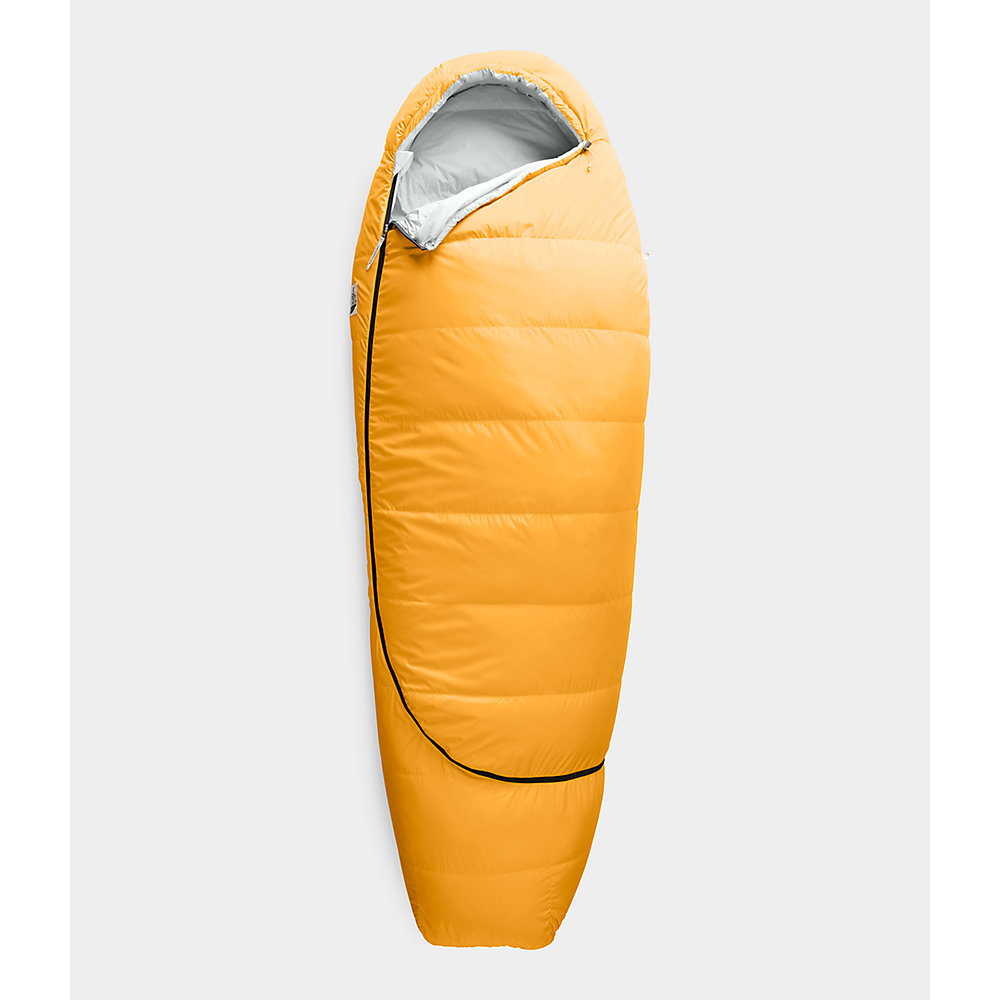
Sleeping bag
A sleeping bag may take up the most space, so planning how to store and package it while bugging out will be worth the time and investment. If you can spare the room, a sleeping pad and hammock that’s easily collapsible can improve sleeping conditions.
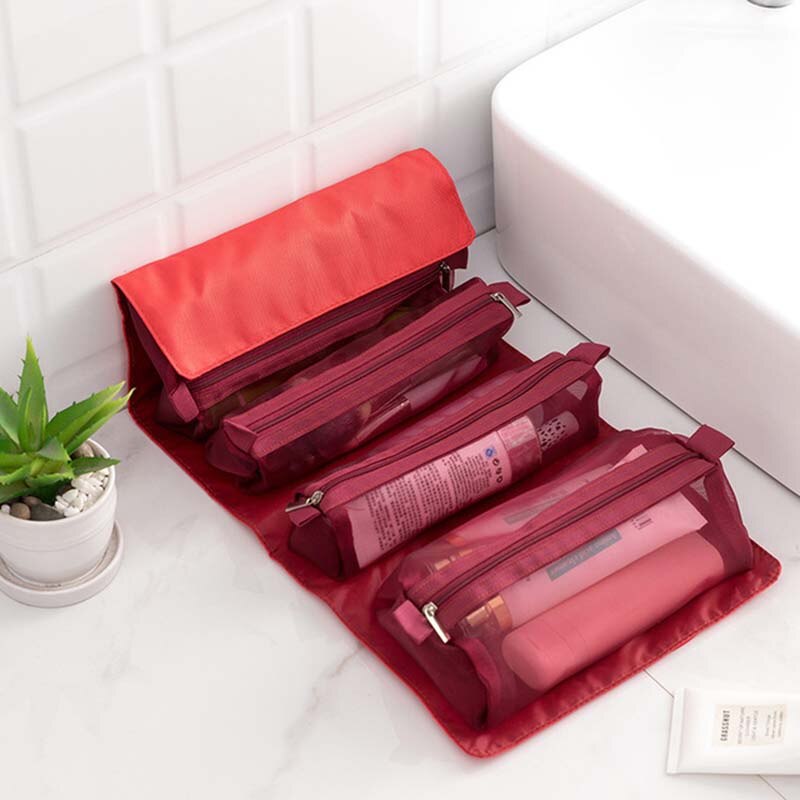
Toiletries and Cutting tools
- Toiletries: Toiletries are bug-out bag essentials. Pack a spare toothbrush, a small toothpaste bottle, soap, and toilet paper.
- Cutting tools: In emergency situations, you may need a survival knife. A hatchet or machete can be particularly helpful in the woods.
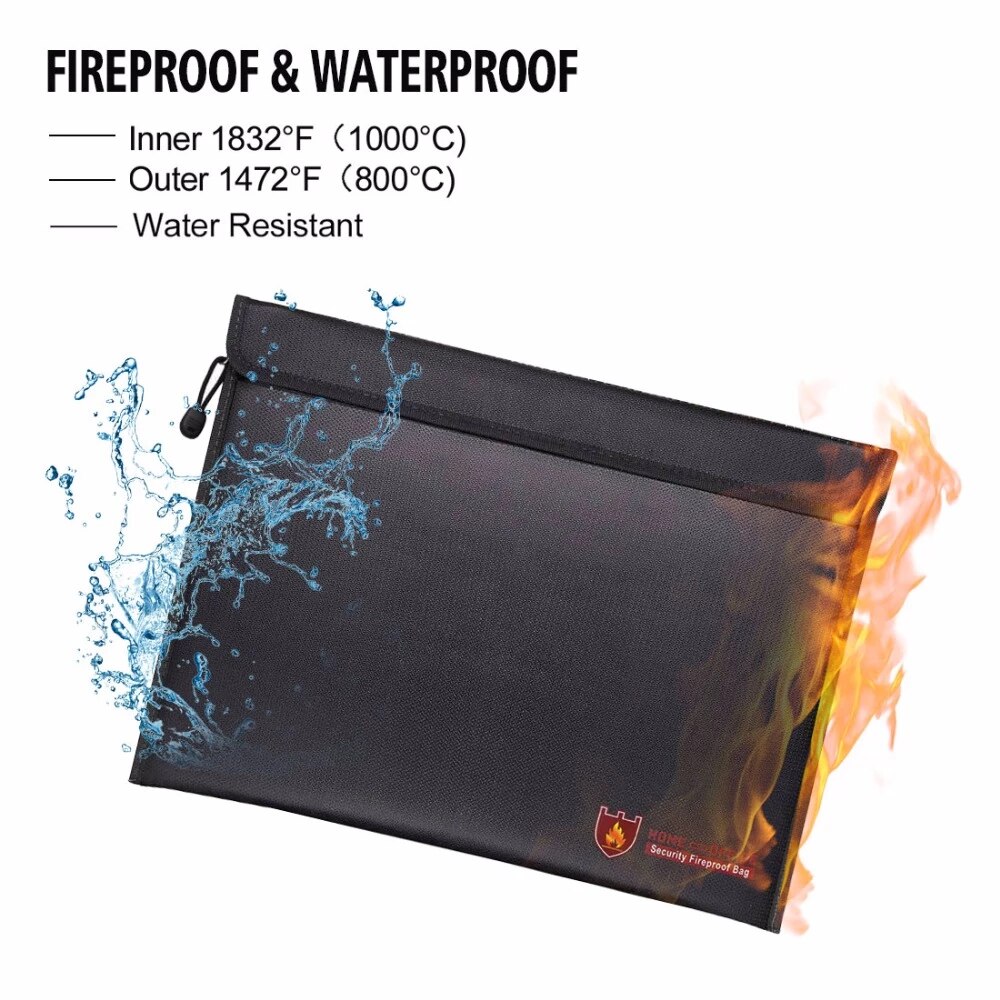
Documents
After fleeing your home, you might not have access to essential documents. Make photocopies of your and your loved ones’ driver’s licenses and identifications for your go bag, so you have those prepared should you need them. You can use waterproof package to protect your documents.
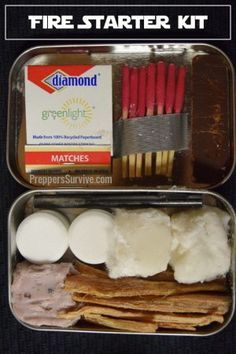
Firestarter
Knowing how to start a fire is among the most crucial survival skills. Some tinder (light, dry sticks, and paper) can be wise to pack to more easily start a fire. If you are in the woods, you may be able to find some on your own. Fires will be good for warmth and cooking, and tinder can expedite the fire-starting process. A fire will also help you see at night, as will flashlights, a headlamp, and glow sticks.
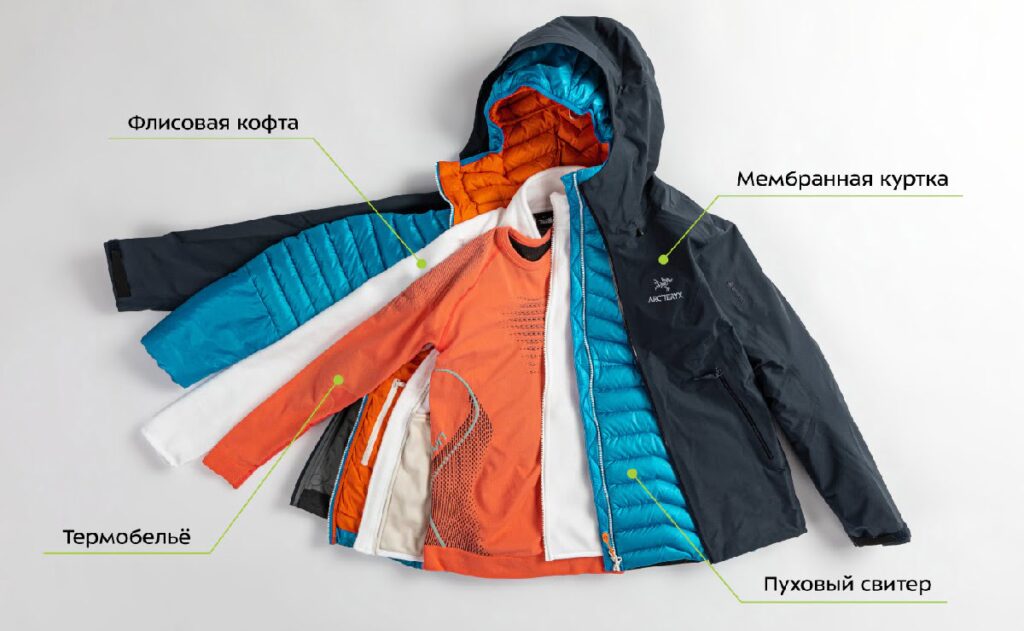
Clothing
Clothing with long sleeves will keep you warm and will protect you from the sun, bugs, and poisonous plants. Bandanas will keep sweat contained. You may also want to pack a small sewing kit in your survival bag to mend clothing. Complete change of clothing, including a long-sleeved shirt, long pants, and sturdy shoes. Consider additional clothing if you live in a cold-weather climate.
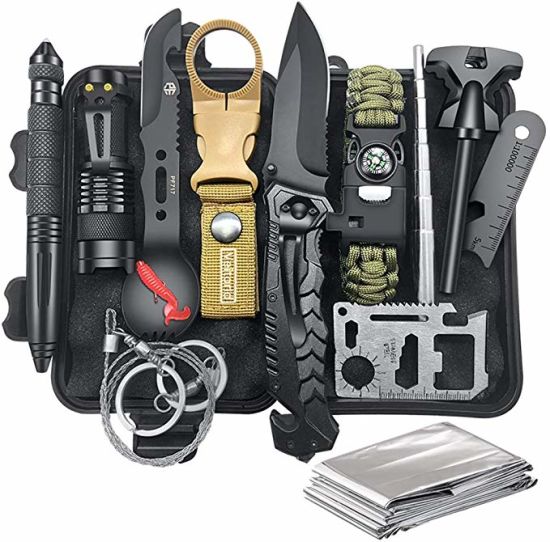
Survival tools
The best bug-out bags will also have a variety of other survival tools. Prep your home bag with essential items like a signal mirror, duct tape, pliers or a multi-tool, zip ties, a fishing kit, a paracord, and pepper spray for self defense, compact saw (or wire saw), flashlights (2 of them), backup batteries, weapon (your choice, knife works), tactical compact shovel, emergency bars, duct tape.
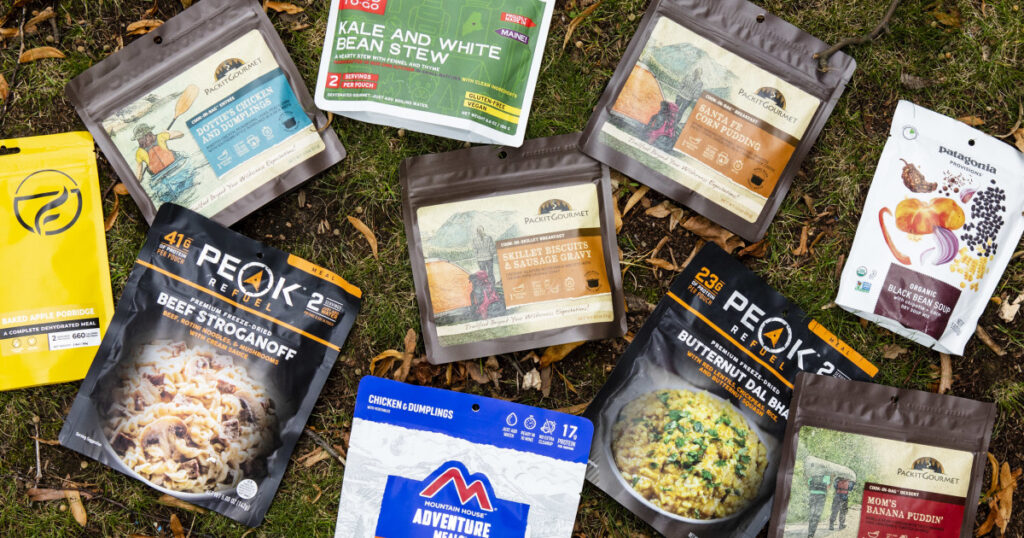
Dehydrated Meals
Dehydrating food is a simple task and can help cut down on food waste. Bug out bag food should be light, compact, and calorie-dense. It should also need very little preparation. MREs, freeze-dried food, canned food, tuna/chicken pouches, energy gels, emergency rations, energy/ protein bars, nuts/dried fruit/trail mix, jerky/pemmican, candy, and drink mixes are all solid choices as bug out bag food.
Jerky is a great “grab and go” source of protein and vitamin B12. You’ll want to go for hearty food that can fuel you, like protein and breakfast bars, nuts, jerky, pemmican, and peanut butter packets. Take a small pot and large cup for cooking and backpacking stove with fuel.
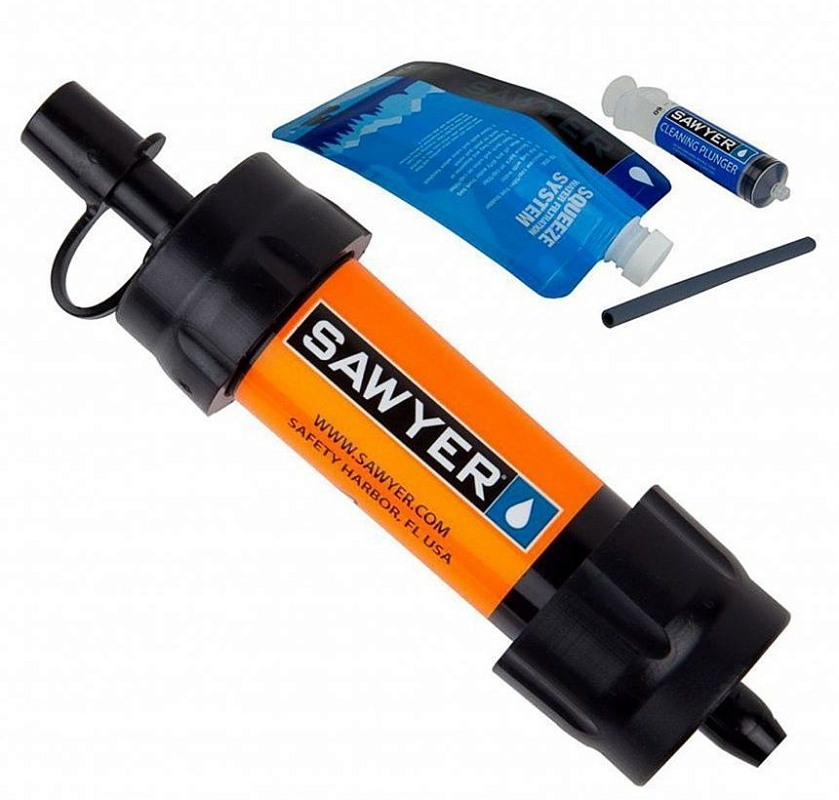
Water Filter
Hydration is vital in survival situations. Pack a pre-filled canteen and supplement your bug-out bag with water purification tablets or a water filter in case you run out of water and need to drink from rainfall or running streams.
I highly recommend having at least one water filter as Sawyer or two in your bug out bag for water filtration. These compact, lightweight lifesavers filter out 99.9% of bacteria and other harmful microbes from water that you could otherwise not drink without boiling or treating in some other fashion. The lifespan of the Sawyer Mini is estimated at 100,000 gallons of water. That’s a lot more than you’ll probably ever want to put through it.
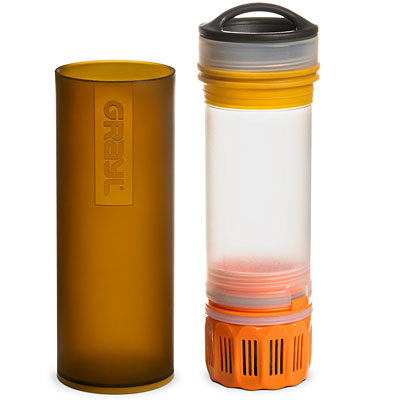
Personal Water Filter
The LifeStraw Personal Water Filter removes more than 99% of all bacteria and parasites. This means it takes out 99.9% of waterborne bacteria (this includes e.coli and salmonella) and 99.9% of waterborne parasites (including giardia and cryptosporidium). It also removes all but the smallest microplastics and sediment.
The long life span of the filter means that it can filter 1000 gallons (4000 liters) before it needs to be replaced. This is an estimated 5 years of drinking water.
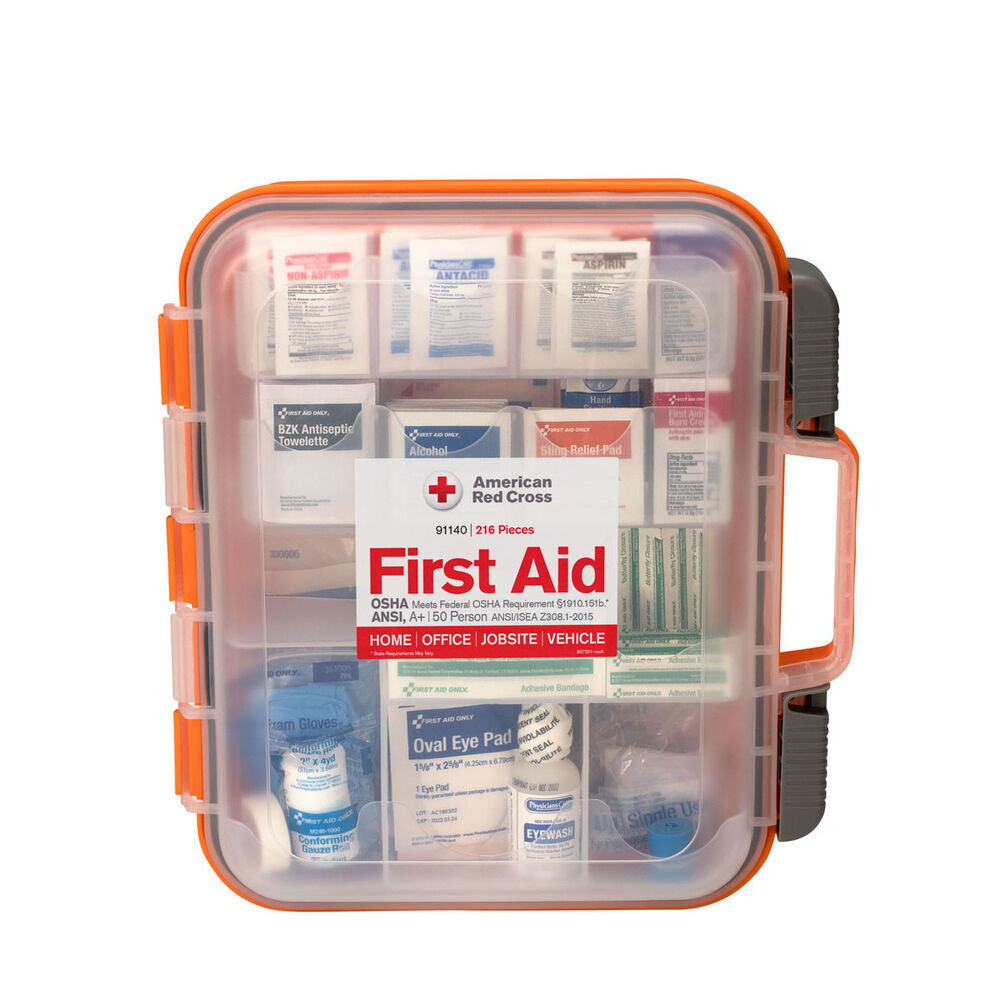
First aid kit
A first aid kit should be at the top of any bug-out bag checklist. The size, complexity, and weight of a first aid kit will vary depending on how much room you have and how much you’re willing to carry, but a simple first aid kit with bandaids, cotton balls, hand sanitizer, a tourniquet, sunscreen, and petroleum jelly will all prove helpful while bugging out.
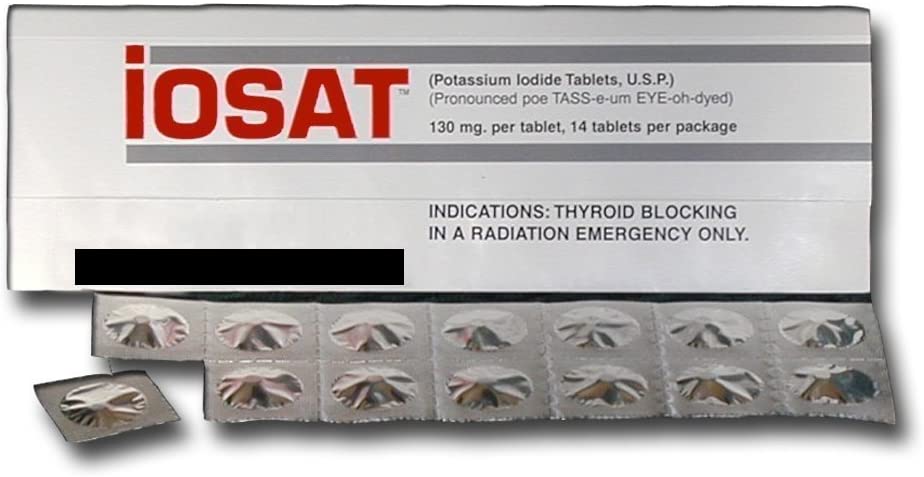
iOSAT Potassium Iodide
Should there be a nuclear occurrence near you and contamination is possible, you need to have these pills to counteract the exposure. ONLY TAKE IF TOLD TO BY A DOCTOR. The FDA approved IOSAT Potassium Iodide tablet works by saturating the thyroid with stable iodine so it will block the absorption of cancer-causing iodine released from a reactor or bomb.
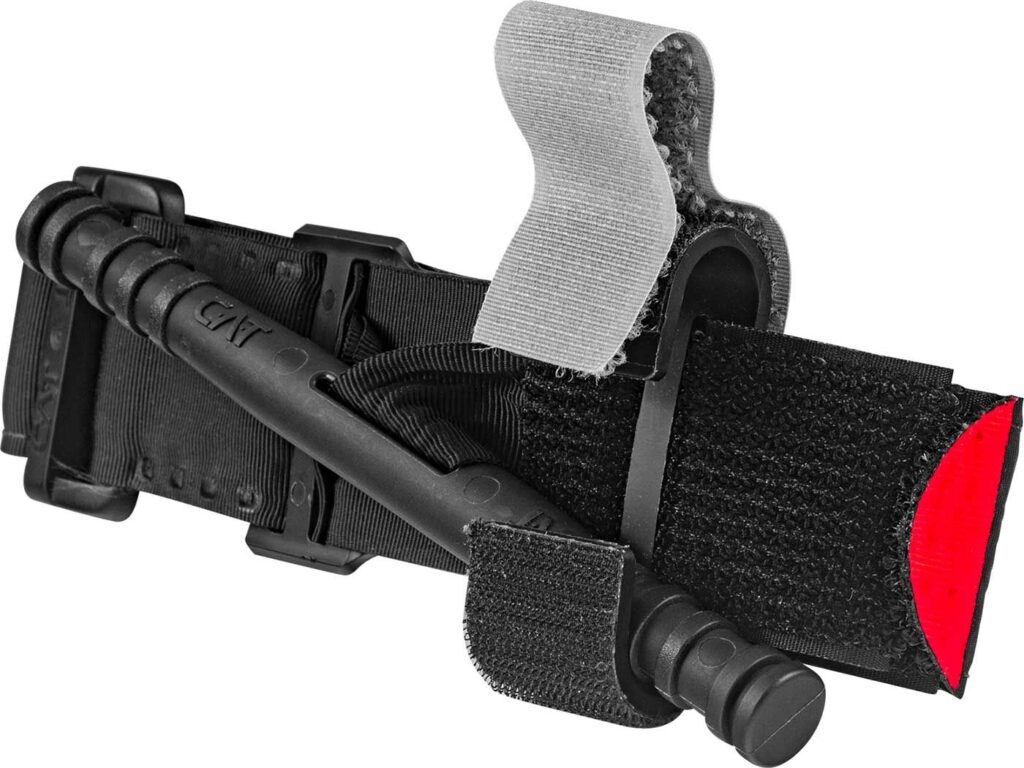
CAT Combat Application Tourniquet
The CAT Tourniquet (Combat Application Tourniquet) utilizes a durable windlass system with a patented free-moving internal band providing true circumferential pressure to the extremity. Once adequately tightened, bleeding will cease and the windlass is locked into place.
A hook and loop windlass retention strap is then applied, securing the windlass to maintain pressure during casualty evacuation. CAT Gen 7’s are the gold standard. Official Tourniquet of the US Military. Beware of counterfeits out there, only purchase them from the source at North American Rescue or accredited dealers like LA Police Gear.
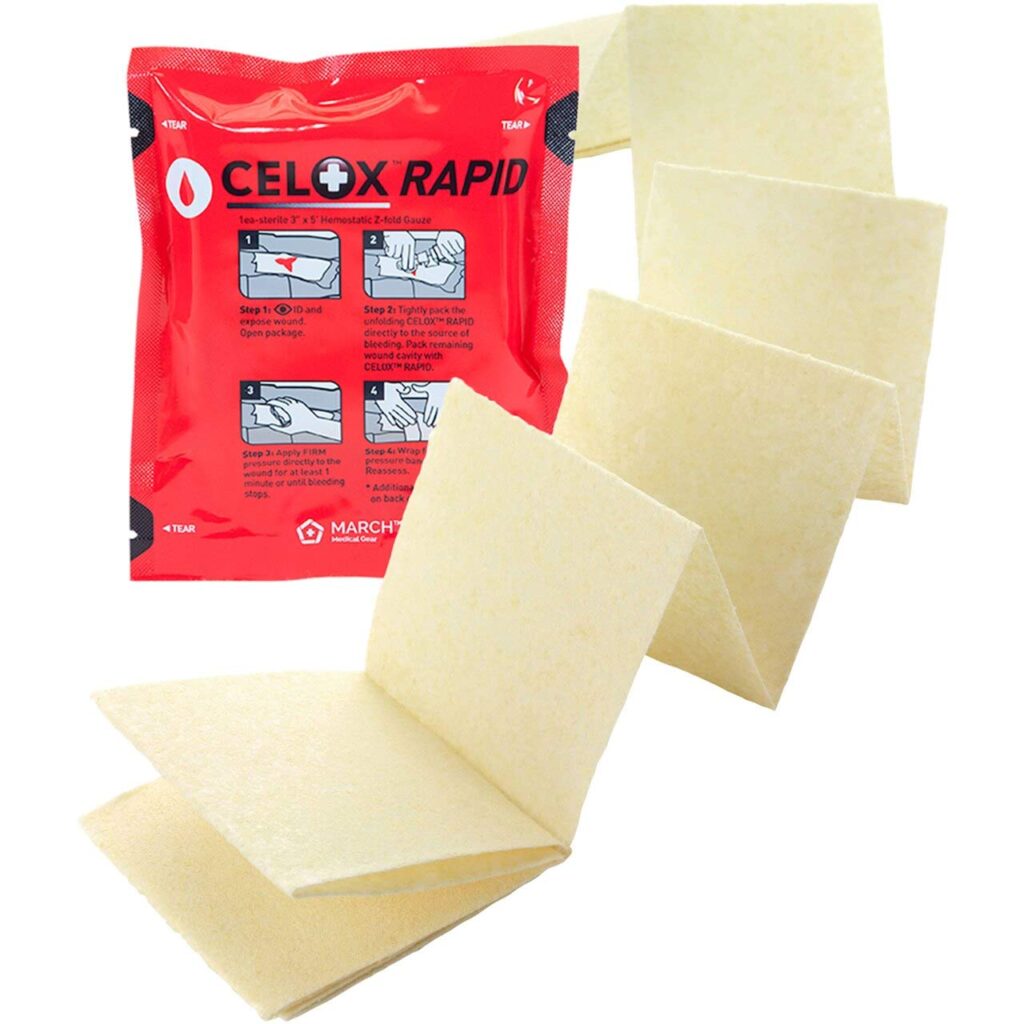
Celox Rapid, Z-Folded
If you have a wound that is bleeding profusely and a tourniquet is inappropriate or not possible, then a coagulating bandage like the Celox Rapid will clot up the liquid to help stabilize the patient. Or in fancy talk: it’s a chitosan laminated hemostatic agent with Chito-R used to stop severe arterial and venous bleeding injuries. Works on people who are taking anticoagulants, unlike QuickClot.
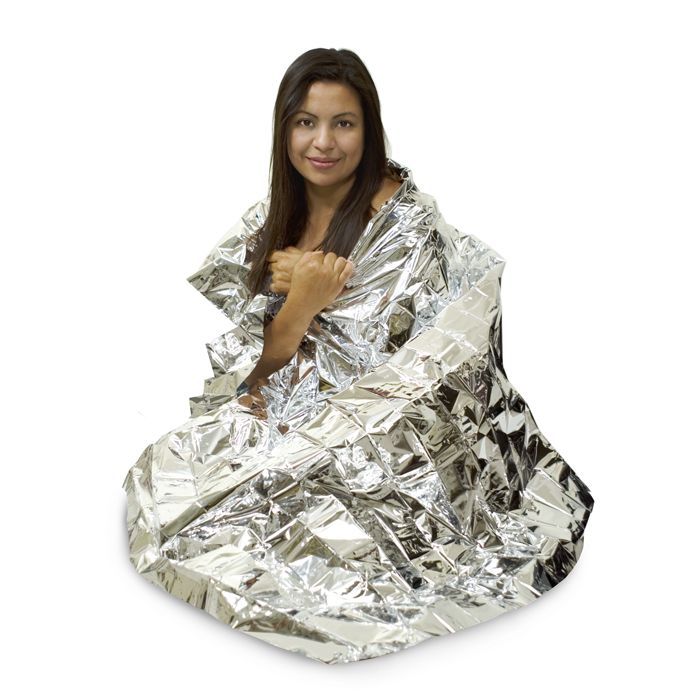
Emergency Thermal Blankets
Safe Emergency Mylar Thermal Blankets. Use advanced aluminized dual-sided thermal blankets, that are designed to retain up to 90% of body heat and are perfect for use in emergency survival situations.
Blankets are waterproof, windproof, and moisture-proof, helping to keep you dry in damp, wet, rainy, and downright cold environments.
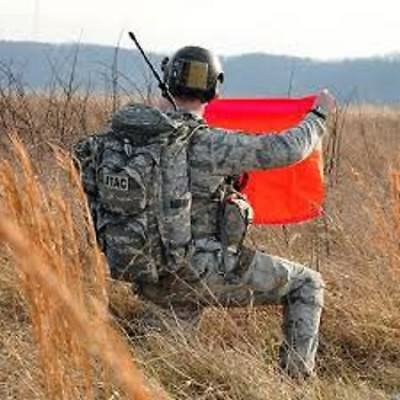
Air panels
If you need to be seen from a distance (namely, by rescue aircraft), nothing is more effective than what the U.S. military already uses, the VS-17 signal marker is the thing for the job. Best of all, that’s exactly what search and rescue teams are trained to look for.
Predators and Insects
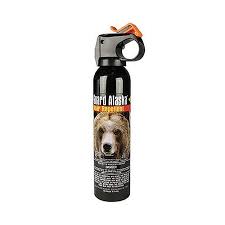
Here’s something else to remember: Even if you make noise along a trail, nothing is guaranteed. Pepper spray that is highly concentrated and a proven bear deterrent (you can use it on dogs, wolves, and other wildlife also).
Also Native Americans that lived off the land in previous centuries are known for using cedar oils (from cedar needles), and rubbing it on their skin. Ticks are naturally repelled by this substance. American pioneers are known for spreading cedar saw-dust across their floors, to help repel pests (like ticks) as well.
Respirators
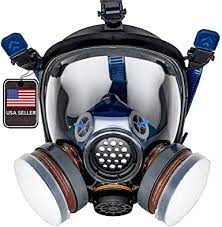
Dust mask to help filter contaminated air, and plastic sheeting and duct tape to shelter in place. Moist towelettes, garbage bags, and plastic ties for personal sanitation.
Emergency reference material such as a first-aid book or information from Ready.gov.
Remember, you have to know the rules of behavior and survival in the occupied territory, identification marks of the enemy army and your own country, the essential rules of first aid.
Hurrah! In the end I got a weblog from where I
be able to actually obtain helpful data concerning my study and knowledge.